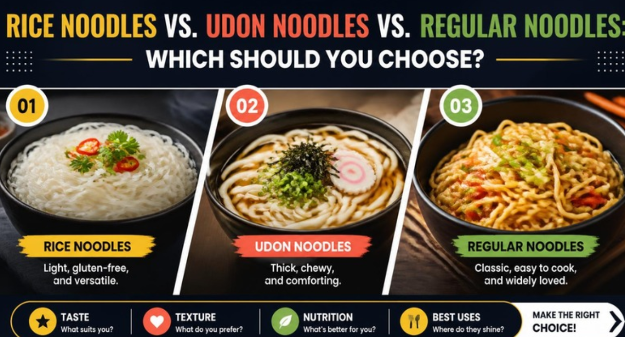
You want to make a hot bowl of noodles. But you do not know which pack to grab. Should you pick rice, udon, or wheat? Let us look at how they compare.
Each type of noodle has a unique taste and feel. Some are thick and chewy. Others are thin and soft. Your choice can change your whole meal. Let us find your perfect match.
Cooking is a fun way to try new foods. Different cultures use different grains to make their noodles. This guide will help you understand each option. It will make shopping very easy.
Knowing these facts helps you cook better. You can make meals that taste like they came from a restaurant. It is easy once you know the basics of each noodle.
What is the Difference Between Udon and Rice Noodles?
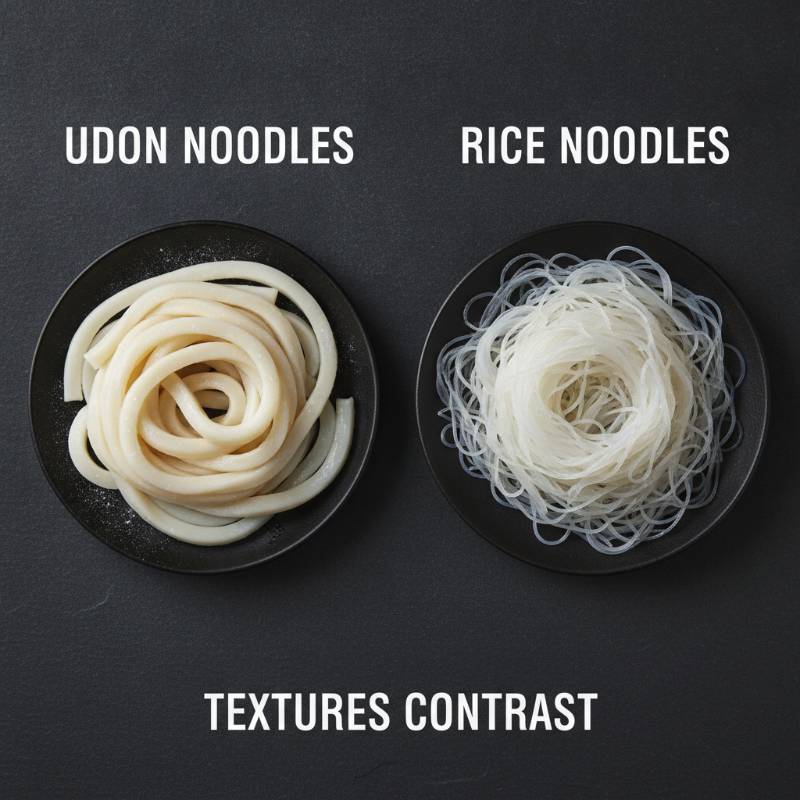
Udon and rice noodles are very different . Udon noodles are thick and white. Rice noodles are thin and clear. The main difference lies in what they are made of. One uses wheat, and one uses rice.
Udon comes from Japan. It is a wheat-based noodle. It has a very chewy feel. Rice noodles are common in Thai and Vietnamese food. They are much softer and lighter to eat.
You can buy both types on AMAzON to try them at home. Udon works best in hot broths. Rice noodles are great in fast stir-fry dishes like Pad Thai.
The way they absorb sauce is also different. Udon gets coated in thick, sweet sauces. Rice noodles absorb liquid from the pan. This makes them burst with flavor in every bite.
Are Rice Noodles Healthier Than Regular Noodles?
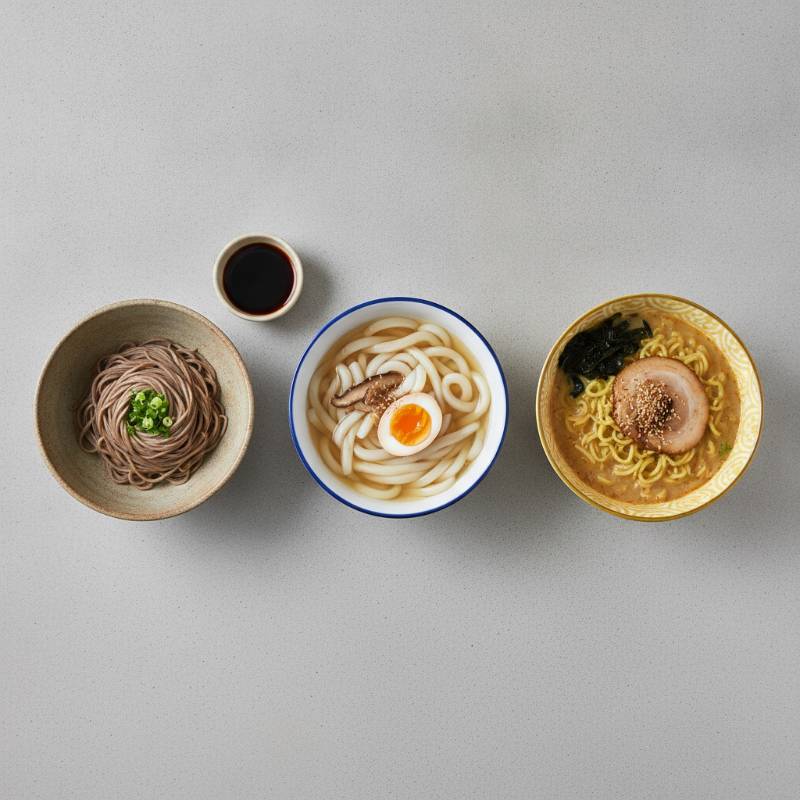
Change / Regenerate Image
Context:“A healthy bowl of cooked rice noodles topped with fresh gree…”
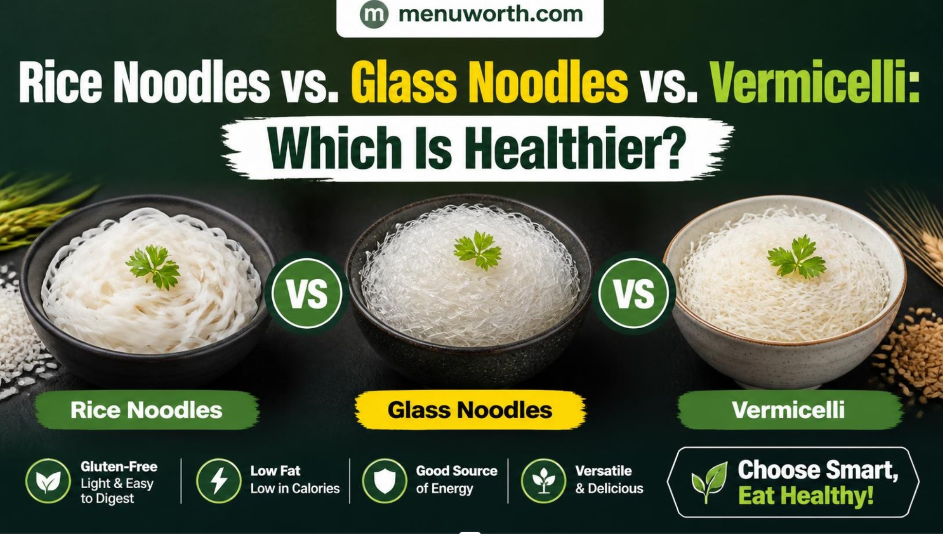
Many people want to know if rice noodles are healthier than regular noodles. The answer depends on your body. Rice noodles are gluten-free noodles. Regular wheat noodles have gluten and more protein.
Rice noodles have fewer calories than egg noodles. But they have less fiber. Regular pasta has more protein. If you want to lose weight, look at the portion size first.
Are rice noodles healthier than regular noodles for blood sugar? Not always. Both can raise blood sugar fast. You should eat them with fresh veggies and lean meats to slow that down.
Rice noodles are often easier to digest. If you have a sensitive stomach, you might prefer them. They do not feel heavy after you eat. This makes them a great lunch choice.
Are Udon Noodles Healthier Than Regular Pasta?
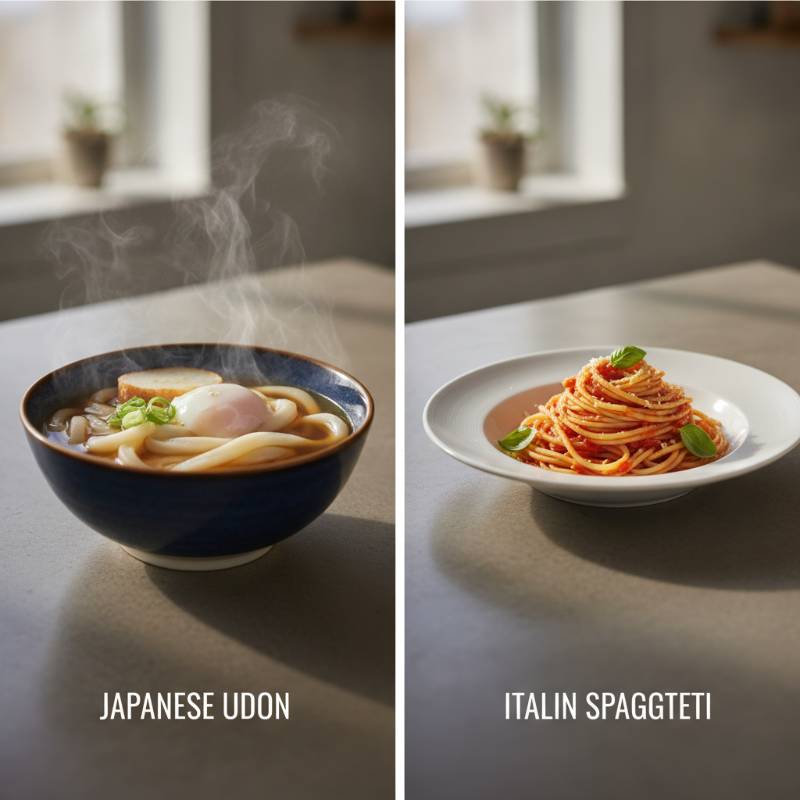
Change / Regenerate Image
Context:“A bowl of hot udon soup next to a plate of Italian spaghetti…”
Let us look at udon noodles calories. One cup of cooked udon has about two hundred calories. This is very close to regular pasta. Both are made from wheat flour.
So, are udon noodles healthier than regular pasta? Udon has less protein than standard pasta. Regular pasta often uses hard wheat. This type of wheat has more protein and fiber. It helps you stay full for a longer time.
Udon has a simple recipe. It uses water, wheat flour, and salt. Regular pasta may have eggs. If you want more fiber, regular whole wheat pasta is a better choice.
Udon noodles also tend to have more sodium. This is because salt is added to the dough. If you watch your salt intake, you should check the food label closely.
Do Udon Noodles Have More Carbs Than Rice Noodles?
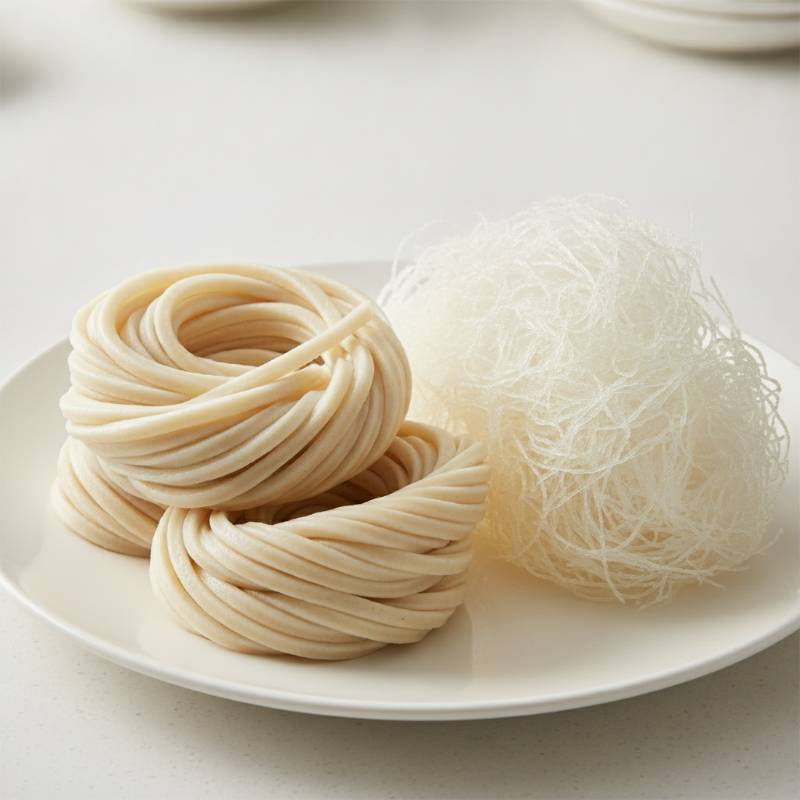
Carbs are a big deal for many diets. Do udon noodles have more carbs than rice noodles? Yes, they do. Udon is very dense. One cup of udon has more starch.
Rice noodles have fewer carbs per cup. But they still have a lot. They are not low-carb food. If you watch your carbs, eat smaller bowls of both types.
Here is a quick tip. You can find low-carb options on AMAzON if you need them. But for real udon, the carb count will always be high.
The type of carb also matters. Both noodles have simple carbs. They give you fast energy. But they do not keep you full for a long time without extra protein.
Can I Substitute Rice Noodles for Udon Noodles?
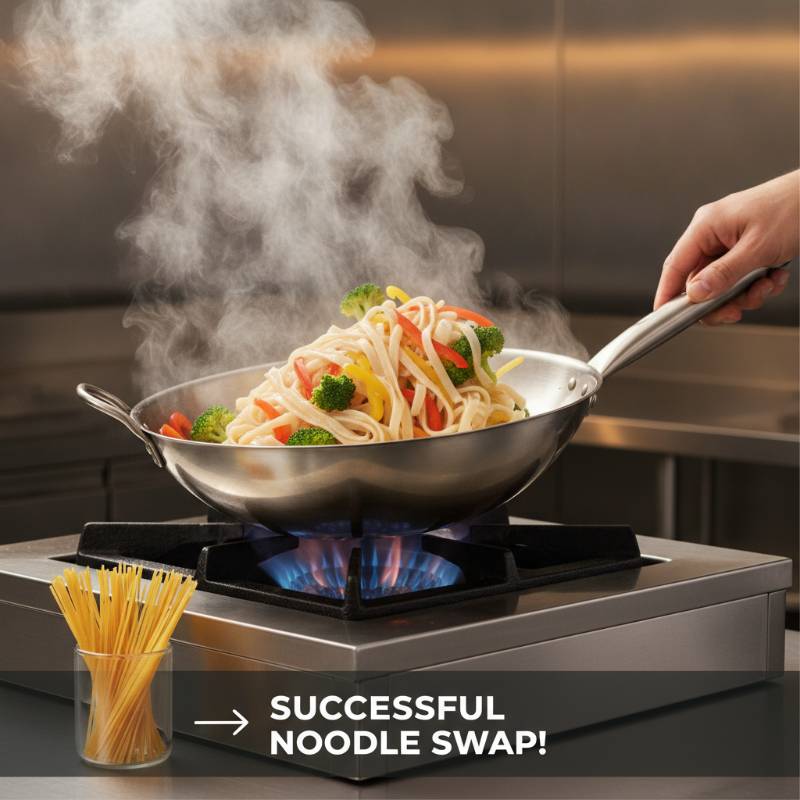
Can I substitute rice noodles for udon noodles in a soup? You can, but the dish will change. Udon is thick and chewy . Rice noodles are thin and soft. The texture will feel very different.
If you swap them, do not overcook the rice noodles. They get mushy fast. Udon can stand up to hot broth for a long time [1]. Rice noodles need quick cooking.
For stir-fry, the swap works well. Just adjust your cook time. Thick rice noodles work best if you want to mimic the chew of udon. They hold sauce in a similar way.
Keep in mind that udon holds heavy sauces better. Rice noodles can get weighed down. If you use rice noodles, keep the sauce a bit lighter so they do not clump up.
Are Udon Noodles Gluten Free?
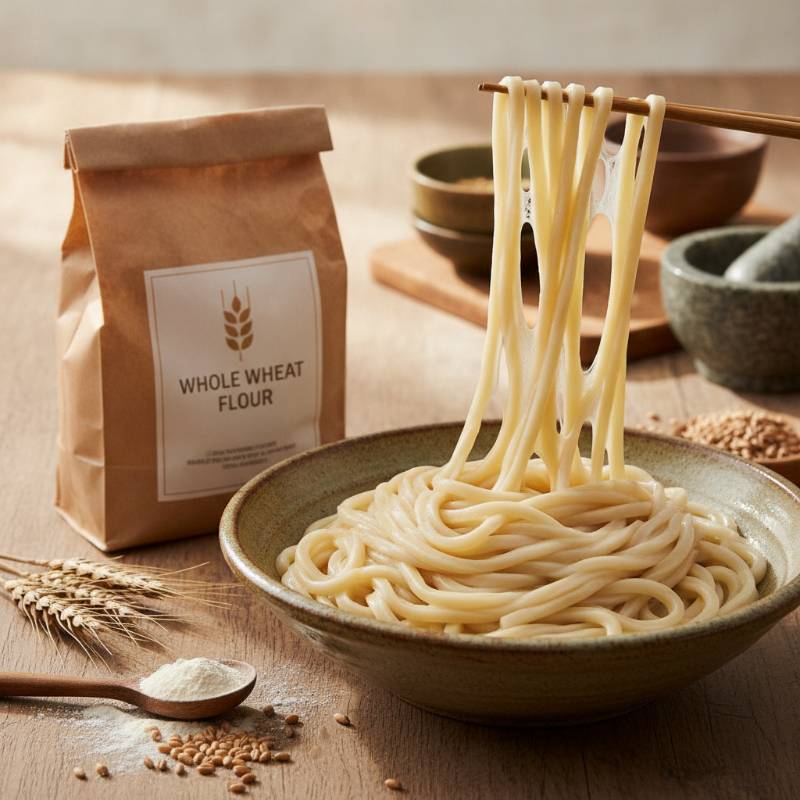
Are udon noodles gluten free? No, they are not. Udon is made from wheat flour [1]. Wheat has gluten. People with gluten allergies must avoid regular udon. It will make them very sick.
If you need gluten-free noodles, choose rice noodles instead. They are safe to eat. Always check the box to make sure. Some brands add wheat to rice products.
You can also look for brown rice noodles. They have more fiber. They are a great gluten-free option for your soups. You can find them on AMAzON easily.
There are some special udon noodles made from brown rice flour. These are rare but great. If you find them, they offer the thick shape of udon without any gluten.
Egg Noodles vs Rice Noodles
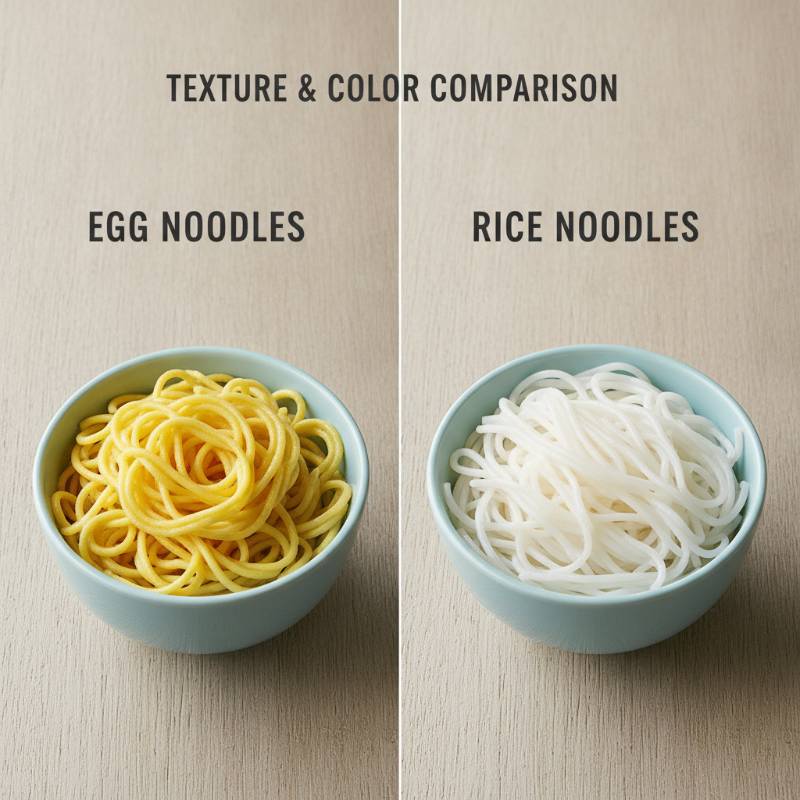
Let us compare egg noodles vs rice noodles. Egg noodles use wheat and eggs. This gives them a yellow color. They have more protein and fat than plain rice noodles.
Rice noodles use only rice flour and water. They have no fat. They are lighter on the stomach. Egg noodles are great for rich sauces. Rice noodles love light sauces.
Egg noodles are not gluten-free. Rice noodles are safe for gluten-free diets. If you want a rich, heavy dish, go with egg. For a light meal, pick rice.
Egg noodles also hold up well in baked dishes. Think of tuna noodle casserole. Rice noodles would fall apart in the oven. Use each one for its best strength.
Other Asian Noodles: Soba vs Udon and Ramen vs Udon
How do other noodles fit in? Let us look at soba vs udon. Soba is made from buckwheat. It has a nutty taste. It is much thinner than udon and has more fiber.
Now let us compare ramen vs udon. Ramen noodles are thin and yellow. They use wheat and alkaline water. This water makes them springy. Udon is much thicker and softer.
Both ramen and udon are wheat-based noodles. They are not gluten-free. If you want the healthiest Asian noodles, soba is often the top choice because of its high fiber.
Soba is also great served cold with a dipping sauce. Udon is usually served hot. Ramen is famous for its rich pork broth. Each noodle has a special home in Asian cuisine.
Nutritional Comparison of Noodles
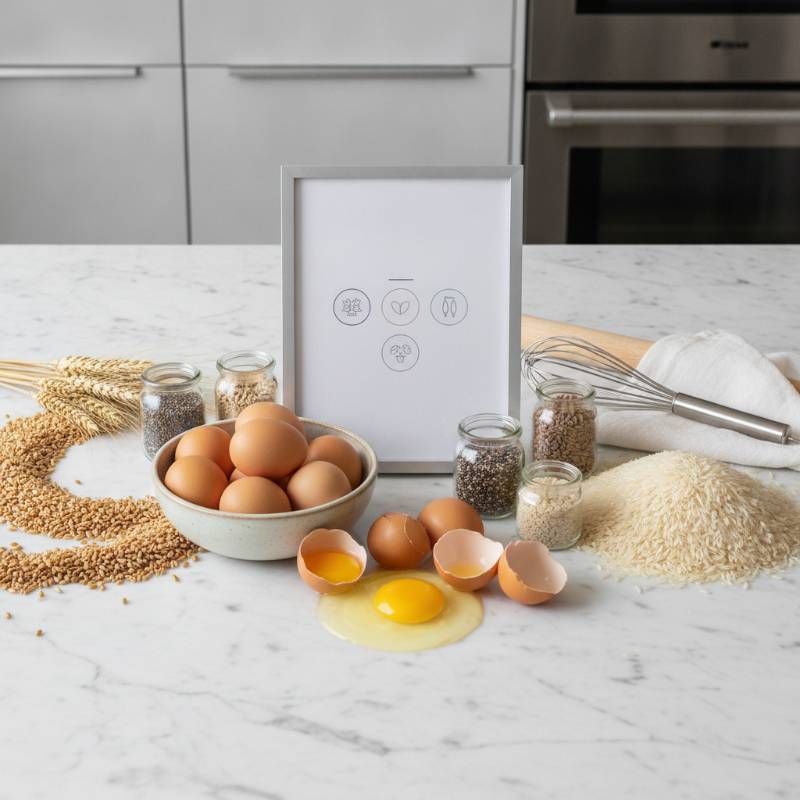
Let us look at the facts. How do these noodles stack up? We will compare calories, carbs, and protein. This table shows the values for one cup of cooked noodles.
| Noodle Type | Calories | Carbs | Protein | Fiber |
|---|---|---|---|---|
| Rice Noodles | 190 | 44g | 2g | 1.8g |
| Udon Noodles | 200 | 40g | 6g | 1g |
| Regular Pasta | 220 | 43g | 8g | 2.5g |
As you can see, regular pasta has the most protein. Rice noodles have the least protein. Udon noodles fall in the middle. Choose the one that fits your daily food goals.
Fiber is another key point. Regular pasta has the most fiber. This helps keep you full. Udon and rice noodles have very little fiber. Add veggies to fix this gap.
Pros and Cons of Each Noodle Type
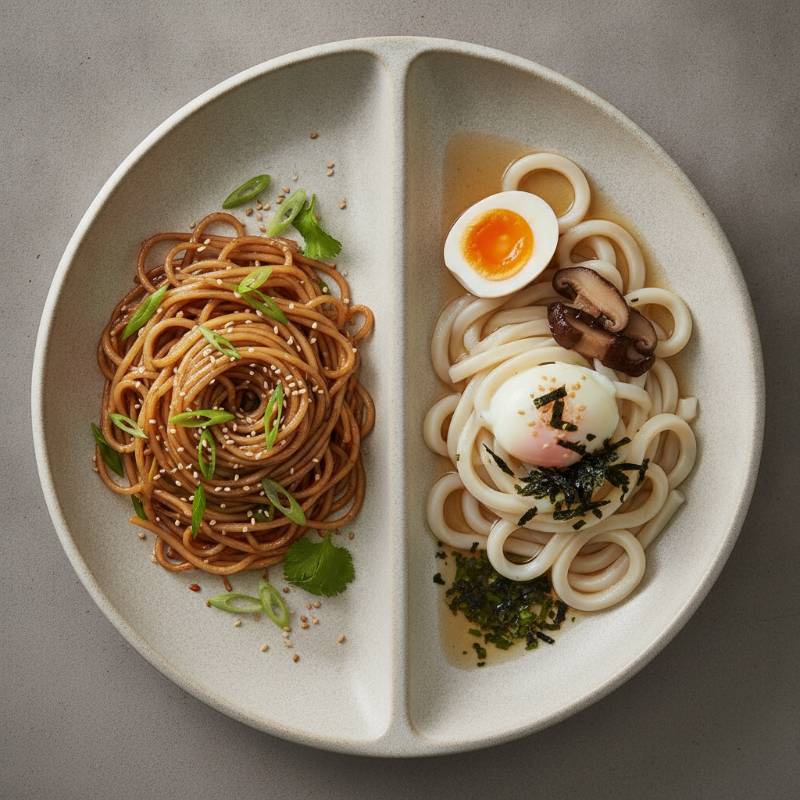
Let us weigh the good and bad. Rice noodles are great because they are gluten-free. They cook very fast. But they can get mushy if you cook them too long.
Udon noodles are thick and filling. They absorb soup flavors very well [1]. But they are high in wheat gluten. They also have a high glycemic index, which raises blood sugar.
Regular noodles are cheap and easy to find. They have good protein and fiber. But they are not gluten-free. They do not fit well in light Asian soups.
Try to keep a mix in your pantry. This gives you many options for quick dinners. You can match the noodle to your mood and health goals each day.
How to Make the Best Choice
Your choice should match your dish. If you make a quick stir-fry, pick rice noodles [1]. If you want a thick, warm soup, pick udon [1]. For Italian meals, use regular pasta.
Your health needs also matter. If you must avoid gluten, rice noodles are the clear winner. If you want more protein, go with regular wheat pasta or egg noodles.
Try different types to see what you like. Cooking is all about fun. You can find many noodle styles to try in your home kitchen today. Happy cooking to you!
Do not be afraid to try new recipes. Each noodle brings something special to the table. With the right choice, your next meal will be a great success. Enjoy your cooking journey.
Frequently Asked Questions
Are udon noodles gluten free?
No, traditional udon noodles are made from wheat flour [1]. Wheat contains gluten. If you need a gluten-free option, you should choose rice noodles instead.
What is the difference between udon and rice noodles?
Udon noodles are thick, chewy, and made from wheat flour [1]. Rice noodles are thin, soft, and made from rice flour and water [1].
Can I substitute rice noodles for udon noodles?
Yes, you can swap them in stir-fries and soups. However, the texture will change from thick and chewy to thin and soft.
Are rice noodles healthier than regular noodles?
Rice noodles are a great gluten-free option and have fewer calories than egg noodles. However, they have less protein and fiber than regular wheat pasta.