Top 10 High Fiber Foods to Throw into Your Diet for Weight Loss and Better Gut Health: Best Foods to Consume and Reasons as To Why.

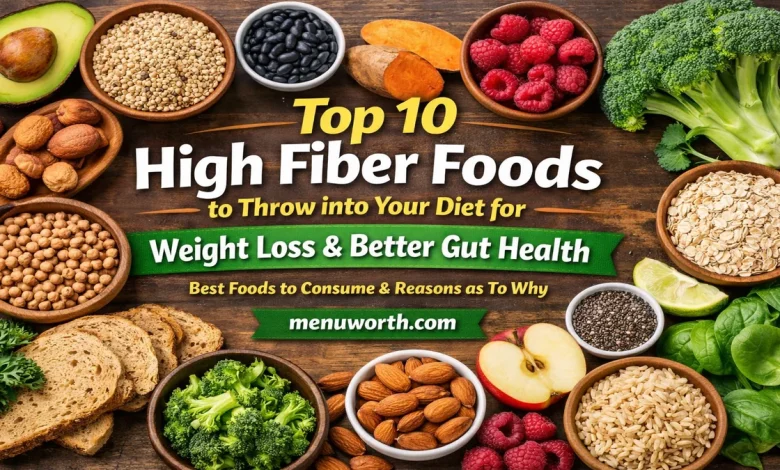
Fiber is something many in the world are lacking, but it can be found in healthy foods that provide other nutrients as well. No matter if your goal is weight loss or better digestive health, high-fiber foods should be a staple of your menu. This ultimate guide will take you through the top fiber foods to add to your diet for weight loss and gut health, along with all of the amazing benefits that they hold.
What Is Fiber and Why Should You Care?
Before leaping into the foods, it’s necessary to know what fiber is and why it’s vital for our health. Fiber is a carbohydrate that the body cannot digest. Unlike other carbs, which disintegrate into sugar molecules, fiber passes through the digestive tract largely undigested. There are two types of fiber:
- Soluble Fiber: This version, which dissolves in water to become a sticky substance, helps lower the amounts of cholesterol in the body and regulates blood sugar levels.
- Insoluble Fiber: Does not dissolve in water but adds bulk to stool making it easier to pass and keeps constipation at bay.
Eating a combination of soluble and insoluble fiber can deliver powerful health benefits, especially when it comes to weight loss and gut health.

How Fiber Aids Weight Loss
High-Fiber Foods Are Your Best Friends in Fighting Weight Gain. Here’s how they help:
- Promotes Fullness: Fiber-rich foods increase satiety because high-fiber foods are more filling and take longer to chew and digest. This helps with stricter calorie intake and may help to avoid overeating.
- Regulates Blood Sugar: Fiber, particularly soluble fiber, slows the absorption of sugar into the bloodstream, thus keeping blood sugar levels stable and lowering cravings.
- Aids Digestion: The fiber content aids digestive health and reduces constipation, which can cause bloating or discomfort. A healthy digestive system promotes a healthy metabolism.
- Decreases Fat Absorption: Fiber can bind to fats in the gut, then excrete them before they are absorbed; this may lead to less calorie absorption.
How Fiber Supports Gut Health
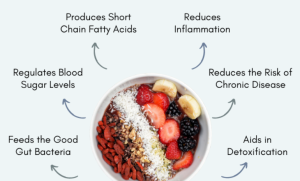
Gut health is linked to all aspects of health, and fiber is important in keeping it strong. Here’s how fiber helps keep a gut healthy:
- Helps with Bowel Movements: Prevents constipation, as insoluble fiber adds weight to stools, making them easier to pass.
- Feeds Good Gut Bacteria: Soluble fiber is food for good bacteria in your gut. These bacteria ferment the fiber, create short-chain fatty acids, which are crucial for gut health.
- Inhibits Gut Inflammation: Fiber supports a healthy gut microbiome, minimizing the chances of developing inflammatory bowel diseases (IBD) such as Crohn’s disease and ulcerative colitis.
High-Fiber Foods that Aid Weight Loss and Promote Gut Health
In order to receive the full benefits of fiber, it is important to include many different types of fiber-rich foods in your meals. Here are the best fiber foods that can aid in weight loss and improve gut health:
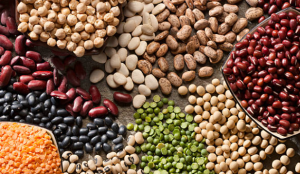
1. Legumes (Beans, Lentils, Chickpeas)
Legumes are a fiber superstar, delivering both soluble and insoluble fiber. They also provide a high source of protein, which is great for vegetarians and others who want to cut back on meat.
- Fiber: 1 cup of cooked lentils contains approximately 15.6 grams of fiber.
- Health Benefits: Legumes promote satiety, blood sugar control, and digestive health. They belong to a low glycemic index area that can help ensure constant energy levels.
How to Add to Your Diet:
- Add chickpeas to your salads, stews, or make hummus.
- Add lentils to soups, curries, or as a side.
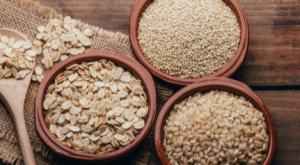
2. Whole Grains (Oats, Quinoa, Brown Rice)
Whole grains contain the bran, germ, and endosperm, offering more fiber than refined grains. They contain both soluble and insoluble fiber.
- Fiber: 1 cup of cooked quinoa has around 5 grams of fiber.
- Health Benefits: Whole grains are good for heart health, assist with digestion, and support weight management. They can also help lower cholesterol levels and reduce the risk for type 2 diabetes.
How to Add to Your Diet:
- Eat a bowl of oatmeal for breakfast.
- Quinoa is a good base for salads or can replace rice in your meals.
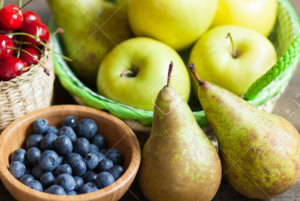
3. Fruits (Apples, Pears, Berries)
Fruits are high in both soluble and insoluble fiber. They are delicious and loaded with vitamins and antioxidants for your overall health.
- Fiber Content: You will find about 4 grams of fiber in a medium-sized apple, compared to about 8 grams of fiber in one cup of raspberries.
- Nutrition: The dietary fiber found in fruits promotes digestion regularity, supports gut health, and prevents overeating by keeping you full for a longer period. They also assist in regulating blood sugar levels.
How to Add to Your Diet:
- Pack smoothies, oatmeal, or yogurt with apples, pears, and berries.
- Have a piece of fruit as a between-meal snack.
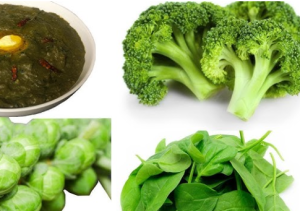
4. Vegetables (Broccoli, Brussels Sprouts, Spinach)
Veggies are loaded with fiber, vitamins, and minerals. They should be a foundation of any healthy diet, especially if you’re focused on weight loss and gut health.
- Fiber Content: One cup of cooked broccoli has about 5 grams, while the same serving of Brussels sprouts has about 4 grams.
- Health Benefits: Broccoli and Brussels sprouts are rich in fiber and antioxidants, promoting immune function while also reducing inflammation and enhancing the digestive tract.
How to Add to Your Diet:
- Pack spinach into smoothies or use it as the foundation of salads.
- Roast or steam Brussels sprouts as a side or include them in a stir-fry.
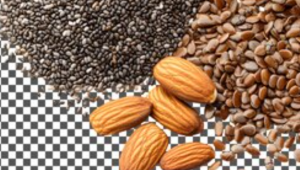
5. Nuts and Seeds (Chia Seeds, Almonds, Flaxseeds)
Nuts and seeds are not just rich in fiber but also loaded with good fats and proteins, which makes them a perfect addition to a balanced diet.
- Fiber: One ounce of chia seeds contains about 10 grams of fiber, and almonds about 3.5 grams.
- Health Benefits: Nuts and seeds improve digestion, promote healthy cholesterol levels, and reduce inflammation. They also help you stay full between meals.
How to Add to Your Diet:
- Top your oatmeal or smoothie with chia seeds or flaxseeds.
- Eat them by the handful or sprinkle them on salads or yogurt.

6. Sweet Potatoes
Fiber-rich sweet potatoes make a delicious and nutritious root vegetable.
- Fiber Content: 1 medium sweet potato contains around 4 grams of fiber.
- Health Benefits: Sweet potatoes are rich in soluble fiber, which helps to stabilize blood sugar. They’re also high in vitamins A and C, which help general health.
How to Add to Your Diet:
- Roast sweet potatoes to serve as a side with a meal or work them into stews and curries.
- Make a baked sweet potato with Greek yogurt and cinnamon.
7. Avocados
Besides being a great source of healthy fats, avocados are also high in fiber, especially soluble fiber.
- Fiber Content: Approximately 10 grams of fiber per medium avocado.
- Health Benefits: The fiber supports digestion, helps regulate cholesterol, and promotes healthy skin.
How to Add to Your Diet:
- Top your toast, salads, or sandwiches with sliced avocado.
- Mix avocado into smoothies for a creamy consistency.
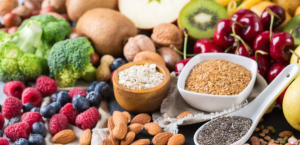
General Advice to Help You Boost Your Fiber Consumption
- Start Slow: If you’re not used to eating large amounts of fiber, increase it gradually to prevent possible digestive distress.
- Drink Plenty of Water: Fiber absorbs water, so staying hydrated helps your digestive system work effectively.
- Add Fiber to Every Meal: Add a food with fiber at every meal, like vegetables, whole grains, or fruit.
- Snack on Foods Rich in Fiber: Find snacks that are high in fiber such as fruits, nuts, or whole-grain crackers to maintain your fiber intake throughout the day.
Conclusion
Fiber is an essential basic nutrient and can have a tremendous effect on weight loss and improving your gut health. Adding high-fiber foods like legumes, whole grains, fruits, vegetables, and seeds to your diet regularly promotes healthy digestion, helps you feel full longer, and improves nutrient absorption. By concentrating on eating a wide range of high-fiber foods, you are not only helping improve your gut health but also setting yourself up for success in establishing a healthy and sustainable lifestyle.
Key Takeaways
- Fiber promotes weight loss by increasing satiety, maintaining blood sugar levels, and optimizing digestion.
- High-fiber foods such as beans, whole grains, and vegetables are important players in keeping gut health on track.
- Start slowly, increase fiber intake, and drink adequate water for proper digestion.
FAQ
1. Which high-fiber foods are the best for weight loss?
Good choices here include high-fiber foods such as beans, lentils, whole grains (oats, quinoa), fruits (apples and berries), and vegetables (broccoli and spinach) that are linked to weight loss. They help you feel satisfied and stave off cravings.
2. How much fiber do I need to eat each day?
The daily fiber intake recommendation is approximately 25 grams for women and 38 grams for men. However, individual requirements can vary based on age, activity level, and health goals.
3. Can fiber help with digestion?
Fiber is very important in digestion, yes. It promotes regularity, alleviates constipation, and fosters the growth of helpful bacteria in the intestines.
4. What if I eat a lot of fiber?
Consuming excess amounts of fiber too quickly can cause bloating, gas, and an upset stomach. To protect you from the more intense effects, it pays to increase fiber consumption slowly and drink plenty of fluid.
5. Are fiber supplements as good for you as fiber-rich foods?
Though fiber supplements may support your daily fiber requirement, whole foods also provide vitamins, minerals, and antioxidants that are lacking from supplements. Whenever you can, it’s best to get your fiber from food.
6. Will I be staying away from fiber-rich foods on a low-carb diet?
Yes, many of the high-fiber foods (e.g. non-starch veggies, chia seeds, avocados) are low in carbs and fit into a low-carb diet. Look for ones that won’t send your carb count soaring — ones high in fiber.
7. What are the advantages of soluble fiber?
Soluble fiber helps reduce cholesterol levels, regulate blood sugar, and improve gut health. It’s present in foods including oats, beans, and fruits such as apples and pears.
DO YOU WANT TO GET MORE INFORMATION LIKE THIS PLEASE VISIT: https://menuworth.com/