Doctor-Approved Food Poisoning Treatment: Symptoms, How Long It Lasts, and Recovery Tips

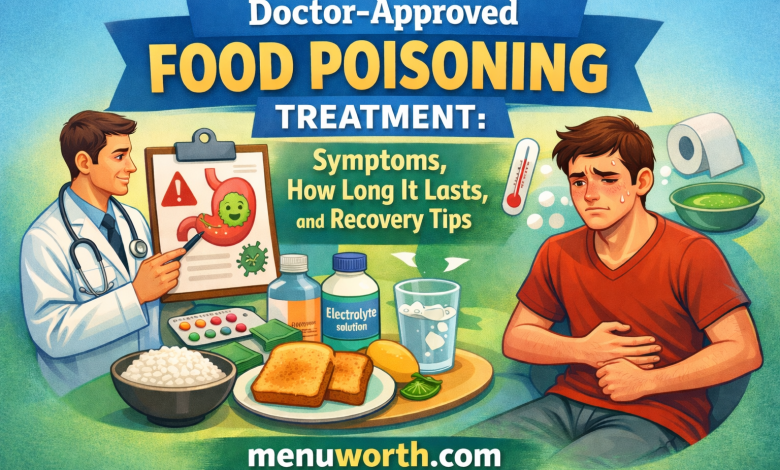
Food poisoning is one of the most common health conditions globally, yet it is often underestimated. Though it is typically not life-threatening, food poisoning can be uncomfortable and debilitating. Understanding the symptoms, how long food poisoning lasts, and the best treatments are crucial for managing this condition. In this article, we’ll explore everything you need to know about food poisoning—from doctor-approved treatments and recovery tips to expert insights that will help you recover as quickly as possible.
What is Food Poisoning?
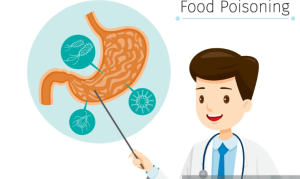
Food poisoning (or foodborne illness) occurs when you consume food or drink contaminated with harmful microorganisms such as bacteria, viruses, or parasites. These pathogens can cause symptoms such as nausea, vomiting, diarrhea, and abdominal pain, typically within hours or days of ingesting tainted food. Food poisoning is preventable since it often arises from poor food handling, storage, or cooking methods.
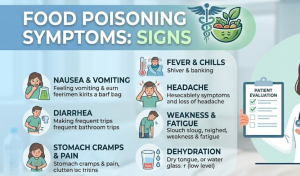
Food Poisoning Symptoms: Signs & When to Seek Help
Symptoms of food poisoning can vary depending on the type of pathogen responsible for the illness. The common signs and symptoms include:
1. Nausea and Vomiting
Nausea and vomiting are two of the most common symptoms of food poisoning. These can occur very soon after eating contaminated food. Vomiting is your body’s natural response to expel harmful substances from the digestive tract.
2. Diarrhea
Diarrhea is another hallmark symptom of food poisoning. It occurs when the digestive system tries to expel the pathogens causing the illness. Diarrhea can be watery, bloody, or accompanied by mucus, depending on the severity and type of infection.
3. Abdominal Pain and Cramps
Abdominal discomfort, bloating, and cramps are frequently reported by individuals suffering from food poisoning. These pains are often a result of irritation caused by the pathogens in the digestive system.
4. Fever
A fever may develop as the body attempts to fight off the infection. While the fever is usually mild, it can be relatively high, particularly in cases caused by bacterial infections such as Salmonella or E. coli.
5. Fatigue and Weakness
The body’s natural response to foodborne illness, combined with dehydration from vomiting and diarrhea, can lead to significant fatigue and weakness. This is especially apparent in more severe cases.
6. Dehydration
Dehydration is one of the most concerning side effects of food poisoning, particularly when diarrhea and vomiting are severe. Symptoms of dehydration include dry mouth, dizziness, dark yellow urine, and decreased urination.
What Is the Duration of Food Poisoning?
The duration of food poisoning depends on the type of infection and how well an individual’s immune system responds to the pathogens. Generally, food poisoning symptoms last between 1 to 10 days, with most people recovering in about 3 to 4 days. However, some infections—especially those caused by certain bacterial or parasitic strains—can last longer and may require medical treatment.
Duration Based on the Pathogen:
- Bacterial Infections (e.g., Salmonella, Campylobacter, E. coli): Symptoms can last 1-7 days, and antibiotics may be required in severe cases.
- Viral Infections (e.g., Norovirus, Rotavirus): Duration is typically 1-3 days, with treatment focused on managing symptoms.
- Parasitic Infections (e.g., Giardia, Cryptosporidium): These can last for weeks and may require antiparasitic medications for treatment.
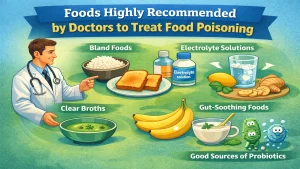
Foods Highly Recommended by Doctors to Treat Food Poisoning
While uncomplicated food poisoning usually clears up without specific treatment, there are some strategies for relieving symptoms and speeding up recovery. Here are some doctor-approved treatment tips:
1. Hydration is Key
One of the most critical factors in recovering from food poisoning is staying hydrated. Vomiting and diarrhea can quickly lead to dehydration, which can worsen symptoms and prolong recovery. Doctors highly recommend oral rehydration solutions (ORS) to replace lost fluids and electrolytes.
- Drink small sips of water throughout the day.
- Use oral rehydration solutions (ORS) that contain sodium and potassium.
- Clear broths, diluted fruit juices, and coconut water are good alternatives to help rehydrate the body.
2. Rest and Avoid Stress
Rest is essential during recovery from food poisoning. Your body needs time to heal, and sleep is crucial for the immune system to function effectively. Avoid strenuous physical activity and listen to your body’s signals.
3. Eat Bland Foods (BRAT Diet)
Once vomiting subsides, doctors recommend gradually introducing bland foods. The BRAT diet—which stands for bananas, rice, applesauce, and toast—is a low-fiber, easy-to-digest diet that can help restore your gut health and prevent further irritation.
- Bananas: Rich in potassium, which helps replace lost electrolytes.
- White rice: Easily digestible and gentle on the stomach.
- Applesauce: Helps settle the stomach.
- Toast: A good source of carbohydrates without irritating the digestive system.
4. Steer Clear of Dairy, Caffeine, and Fatty Foods
In the initial stages of recovery, it’s essential to avoid dairy products, caffeine, and fatty or spicy foods. These can aggravate the stomach lining and worsen symptoms. Gradually reintroduce these foods once your stomach can handle them.
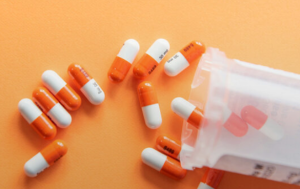
5. Medications for Symptom Relief
While antibiotics are generally not recommended for viral food poisoning, there are medications that can help alleviate symptoms like nausea, vomiting, and diarrhea. Always consult with a healthcare provider before using these drugs.
- Anti-diarrheal medications: Drugs like loperamide (Imodium) can reduce diarrhea, but they should be avoided if the diarrhea is caused by bacterial infections, as this can prolong the illness.
- Antiemetics: Medications like ondansetron can help reduce nausea and vomiting, particularly in severe cases.
6. Probiotics for Gut Health
Probiotics can help restore the balance of good bacteria in the gut after food poisoning. Doctors often recommend probiotic-rich foods such as yogurt or supplements to aid in digestion and prevent gastrointestinal issues in the future.
7. Seek Medical Help if Symptoms Persist
If symptoms last longer than 48 hours or if you experience severe symptoms such as high fever, blood in stool, prolonged vomiting, or signs of dehydration (e.g., dizziness, dry mouth, and decreased urine output), it is crucial to seek medical attention immediately.
When to See a Doctor
Most cases of food poisoning resolve without medical treatment, but certain situations require immediate medical attention:
- Severe abdominal pain
- Persistent high fever (above 101.5°F or 38.6°C)
- Blood in stool or vomit
- Dehydration symptoms
- Prolonged vomiting (unable to keep liquids down)
FAQs About Food Poisoning
1. What can I do to prevent food poisoning?
To avoid food poisoning, practice good food safety habits, including:
- Wash hands before handling food.
- Cook meat to the appropriate temperature.
- Store perishable foods in the refrigerator.
- Prevent cross-contamination between raw and cooked foods.
2. Can food poisoning be fatal?
In rare cases, food poisoning can be life-threatening, particularly for vulnerable groups such as young children, the elderly, pregnant women, and those with weakened immune systems. Severe cases can lead to organ failure or dehydration, making it important to seek medical care when necessary.
3. Should I go to work or school with food poisoning?
It is best to stay home to rest and avoid spreading germs, especially if you have symptoms like vomiting or diarrhea. Going to work or school may worsen your condition and put others at risk.
4. How soon do you feel sick after eating contaminated food?
Symptoms of food poisoning can develop anywhere from 1 hour to 10 days after consuming contaminated food, depending on the pathogen.
5. Can antibiotics cure food poisoning?
Antibiotics are effective only for bacterial food poisoning caused by specific bacteria like Salmonella or Campylobacter. They are not effective for viral food poisoning.
6. How do I heal from food poisoning faster?
To recover faster, stay hydrated, eat bland foods, and rest — also avoid things that can irritate your digestive tract, like caffeine or dairy. Probiotics are also helpful for restoring gut health.
7. Can food poisoning come back?
Once you recover, it is unlikely to get the same infection again unless you consume contaminated food or water. However, some people may develop IBS after food poisoning.
Conclusion
Food poisoning can be unpleasant, but with the right treatment, it is usually self-limiting and resolves within a few days. Staying hydrated, resting, eating bland foods, and seeking medical help when necessary are all important steps in the recovery process. To prevent foodborne illnesses, always follow food safety guidelines and see a doctor if symptoms persist or worsen.
Key Takeaways:
- Food poisoning can last from 1 to 10 days, depending on the pathogen.
- The primary treatments involve hydration, rest, bland foods, and medication for symptom relief.
- If the symptoms are severe, look for a medical cure like high fever, blood in the stool, or dehydration.
- Avoiding food poisoning is all about prevention: taking care of how you handle your food and washing your hands reduces the chances significantly.