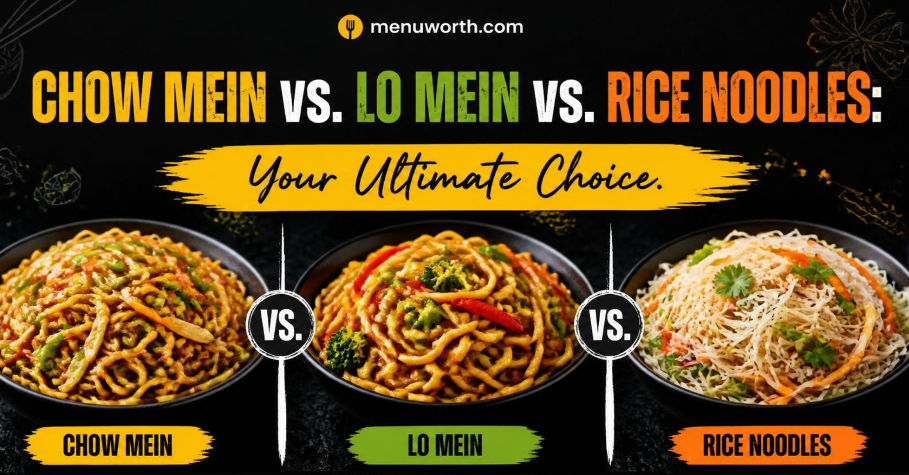
I love cooking Asian food at home. But choosing the right noodle can be hard. Today, I will help you learn the main differences. You will know exactly which one to buy for your next quick meal.
Many people get confused by these three options. They look similar but taste very different. I will compare their taste, texture, and health facts. Let us look at what makes each of these noodles special.
You might see yellow egg noodles or thin white noodles at the store. Some are soft, while others are crispy. Knowing the difference helps you cook better meals. It also helps you order the right dish at restaurants.
We will look at how chefs make these noodles. We will cover their ingredients, calories, and gluten facts. By the end, you will be a noodle expert. Let us start with the first popular type.
What Is Chow Mein?
Change / Regenerate Image
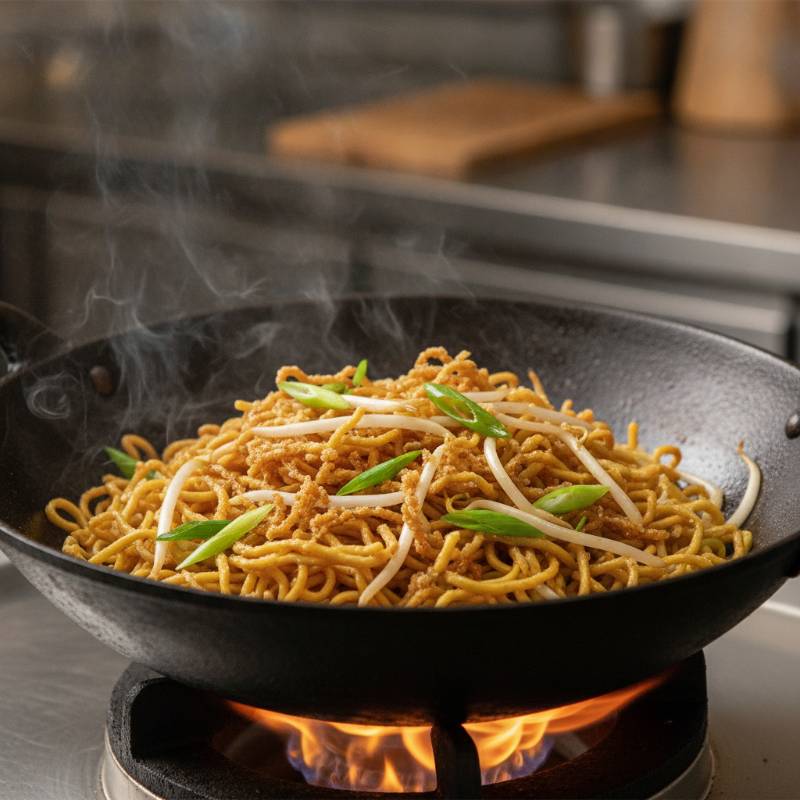
Context:“Stir fried yellow egg noodles with crispy edges in a hot wok…”
Chow mein is a very famous dish. The name means stir fried egg noodles. These noodles are made from wheat flour, water, and egg. They are usually thin and have a light yellow color.
To make this dish, you first boil the noodles. Then you fry them in a hot pan with oil, vegetables, and meat. This frying step gives the noodles a great crispy texture that many people love.
You can find two types of chow mein. One type is soft and has just a little bit of crisp. The other type is very crispy and dry. Both types have a rich, savory taste from the soy sauce.
These noodles are great for quick dinners. They cook fast and hold their shape well in a hot wok. If you like a crunch in your food, this is the perfect option for you to try.
What Is Lo Mein?
Change / Regenerate Image
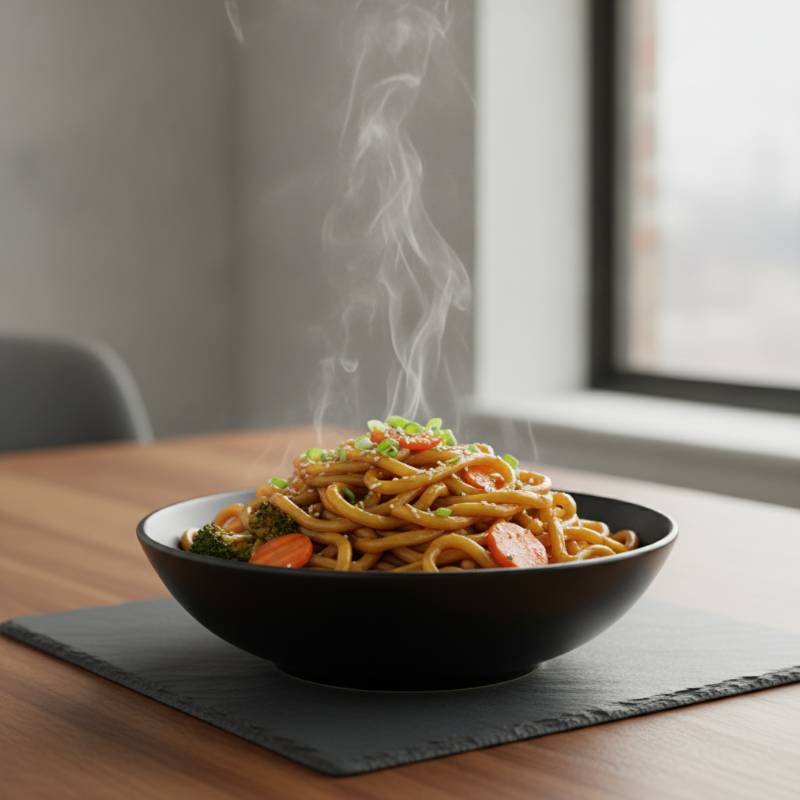
Context:“Thick yellow egg noodles tossed in a rich brown savory sauce…”
Lo mein is another classic Chinese dish. The name means tossed or stirred noodles. Like chow mein, these are yellow egg noodles made of wheat. But they are much thicker and softer than chow mein.
The cooking method for lo mein is very different. You boil the noodles until they are fully cooked and soft. You do not fry them in oil. Instead, you toss them with sauce at the very end.
Because they are thick, they soak up a lot of sauce. This makes every bite rich and full of flavor. The texture is soft, smooth, and a bit chewy, which feels great when you eat it.
Lo mein is perfect for heavy, savory sauces. It is a comforting dish that keeps you full. It is a common favorite for takeout, but it is also very easy to make in your kitchen.
What Are Rice Noodles?
Change / Regenerate Image
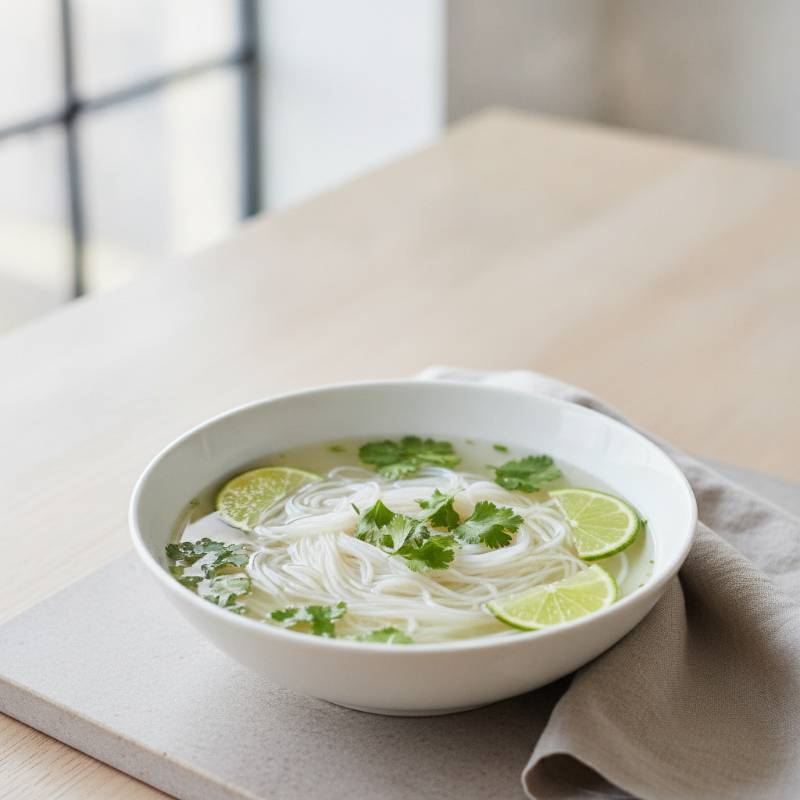
Context:“White translucent rice noodles in a clear broth with fresh h…”
Now let us look at rice noodles. These are very different from wheat noodles. They are made from rice flour and water. They do not contain any eggs, which makes them white or clear.
These noodles come in many shapes and sizes. You can buy thin rice vermicelli noodles. Or you can buy wide, flat rice noodles. They are very popular in dishes like Pad Thai and Pho soup.
They have a very light and delicate texture [6]. They do not taste heavy like wheat. Instead, they absorb the flavors of the soup or sauce around them. They are a staple in many Asian countries.
They are also very fast to cook. Often, you do not even need to boil them. You can just soak them in hot water for a few minutes. This makes them great for quick meals.
How Are Chow Mein and Lo Mein Noodles Made?
Change / Regenerate Image
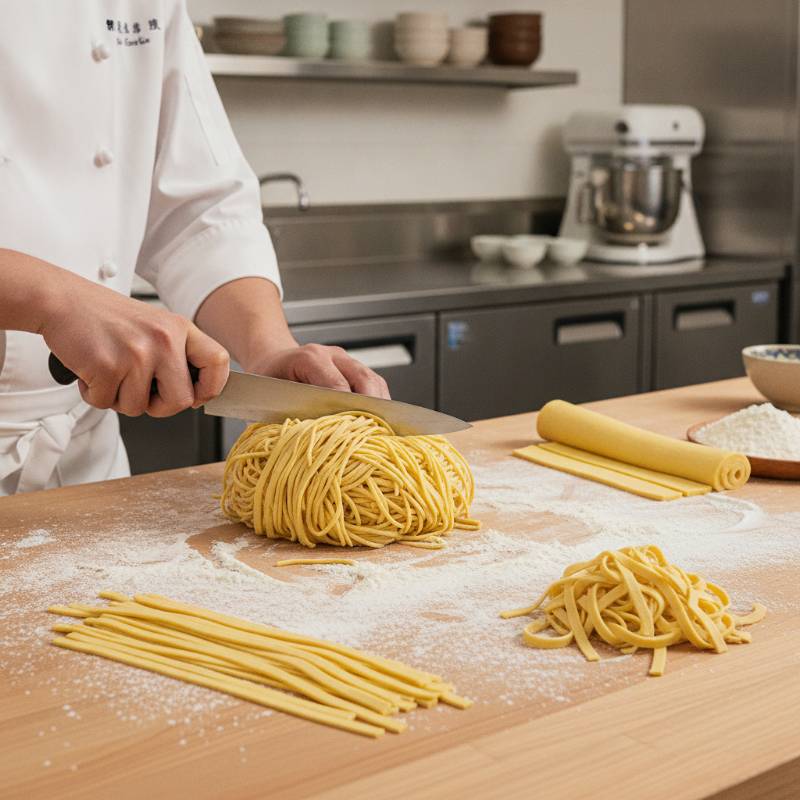
Context:“Freshly cut yellow egg noodles on a flour-dusted wooden boar…”
Let us look at how chow mein and lo mein noodles made. Both start with the same basic dough [2]. This dough uses wheat flour, water, and egg. The egg gives them their bright yellow color.
The dough is rolled out thin and cut into strands. For chow mein, the strands are cut very thin. For lo mein, the strands are cut much thicker. This thickness changes how they feel when you chew.
You can buy these noodles fresh or dry. Fresh ones cook faster and have a softer bite. Dry ones last longer in your pantry. Both work well if you use the right cooking method for them.
To cook them, you must always boil them first. But the boiling time is different. Chow mein noodles are boiled for just a short time. Lo mein noodles are boiled until they are fully soft.
Wheat Noodles vs Rice Noodles: The Big Differences
Change / Regenerate Image
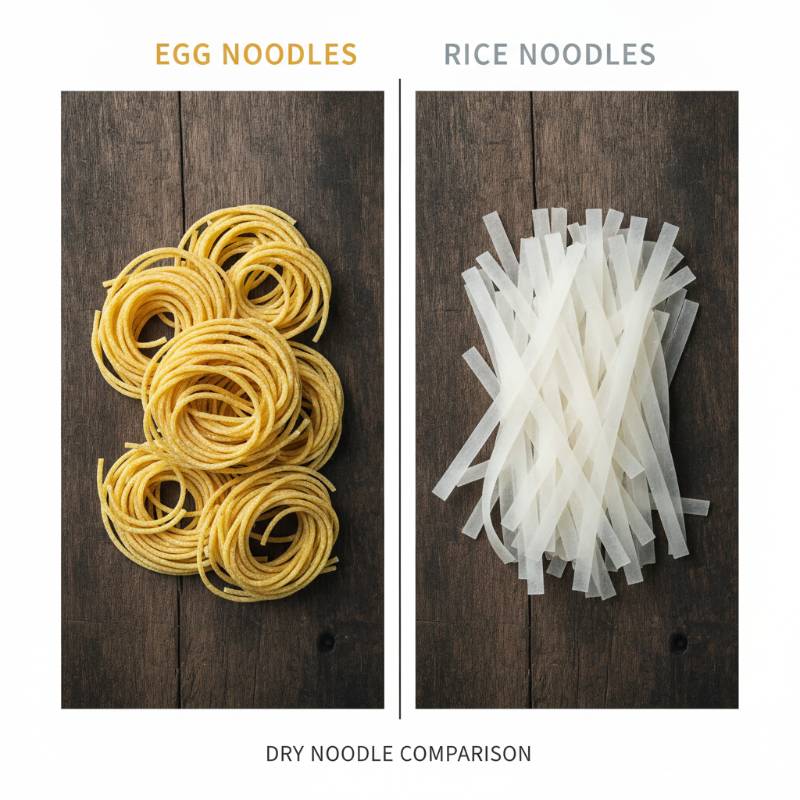
Context:“Comparison of yellow wheat noodles and white rice noodles si…”
The biggest comparison is wheat noodles vs rice noodles. This is about what goes into the dough. Wheat noodles have gluten and eggs [1]. Rice noodles are made only with rice flour and water.
This means rice noodles are gluten free chinese noodles [6]. They are safe for people with celiac disease. Wheat noodles are not safe for them. If you cannot eat gluten, always choose the rice option.
The texture is also very different. Wheat noodles are chewy and springy. Rice noodles are soft and a bit slippery. Wheat noodles feel heavier in your stomach, while rice noodles feel much lighter.
They also look different on your plate. Wheat egg noodles are yellow [1, 2]. Rice noodles are white or translucent. Both look great and work well with vegetables, chicken, beef, or tofu.
What Is the Difference Between Chow Mein and Chow Fun?
Change / Regenerate Image
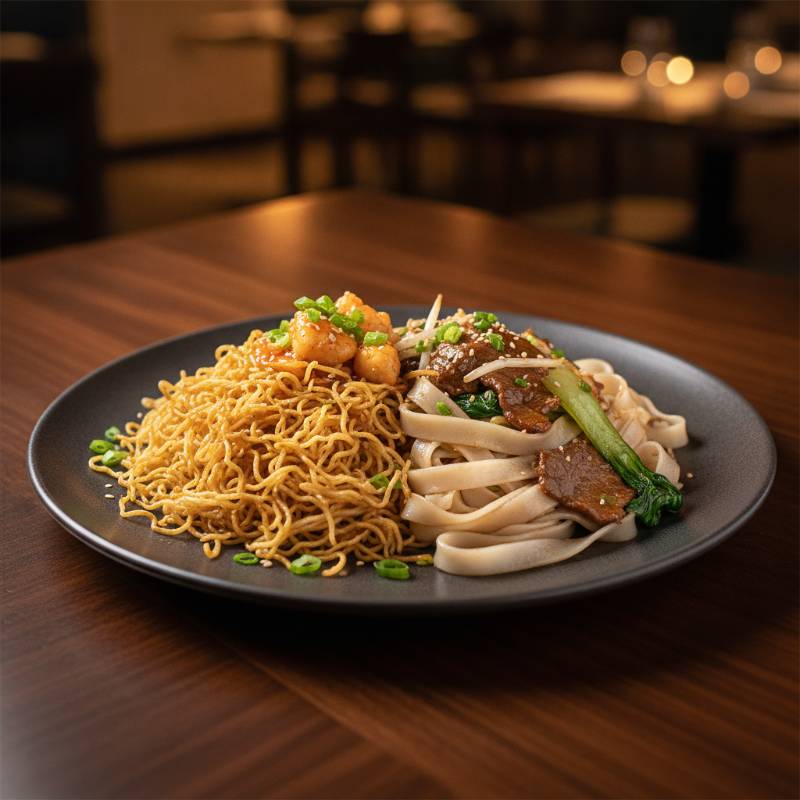
Context:“Thin crispy chow mein noodles next to wide flat chow fun noo…”
You might also hear about chow fun. What is the difference between chow mein and chow fun? It comes down to the noodles. Chow mein uses thin wheat noodles. Chow fun uses wide rice noodles.
Chow fun noodles are flat, wide, and very chewy. They are stir fried at high heat with beef and bean sprouts. This dish is famous for its smoky flavor from the hot wok.
Chow mein is much crunchier than chow fun. The thin wheat noodles crisp up easily in oil. Chow fun noodles do not get crispy. Instead, they stay soft, slippery, and full of savory sauce.
Both dishes are delicious options, but they offer different textures. If you want a thick, chewy bite, choose chow fun. If you want a light crunch, choose chow mein.
What Is the Difference Between Lo Mein and Mei Fun?
Change / Regenerate Image
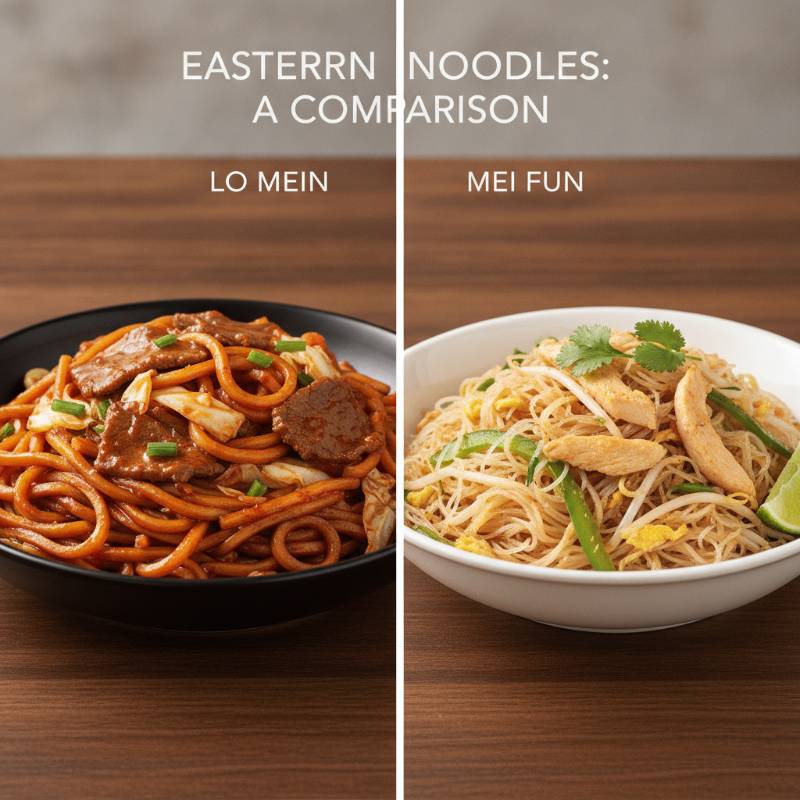
Context:“Thick lo mein noodles compared with thin rice vermicelli mei…”
Another common question is the difference between lo mein and mei fun. Lo mein uses thick, yellow wheat noodles [1]. Mei fun uses very thin rice vermicelli noodles. They look and feel totally different.
Mei fun noodles are as thin as hair. They cook in seconds and are very light. Lo mein noodles are thick and heavy. They take longer to boil and hold much more sauce.
Mei fun is often stir fried with curry powder, veggies, and shrimp. This is called Singapore Mei Fun. Lo mein is usually tossed with a dark, sweet soy sauce. Both are great but distinct.
If you want a light, airy meal, mei fun is best. If you want a rich, filling noodle bowl, lo mein is the way to go. Both are easy to find at Asian restaurants.
Which Is Healthier Chow Mein or Lo Mein or Rice Noodles?
[OFFICIAL VISUAL DATA REQUIRED]Description: A bright, health-focused photo showing a balanced noodle bowl with fresh greens, tofu, and light rice noodles on a clean white background.Generate Diagram / Image
Context:“A healthy noodle bowl with fresh vegetables and lean protein…”
When choosing a meal, you might ask which is healthier chow mein or lo mein or rice noodles? The answer depends on your health goals. Let us look at the facts for each.
Let us start with chow mein vs lo mein calories. Chow mein is fried in oil, which adds more fat and calories. Lo mein is boiled and tossed, so it has less oil and fewer calories [1].
Are lo mein noodles the same as rice noodles in health? No, they are not. Lo mein has more protein because of the eggs. Rice noodles have less protein but are naturally gluten free [6].
If you want to lose weight, plain rice noodles or lo mein are better. They have less fat than fried chow mein. Just be mindful of the sweet sauces, which can add extra sugar.
How to Cook These Noodles at Home
Change / Regenerate Image
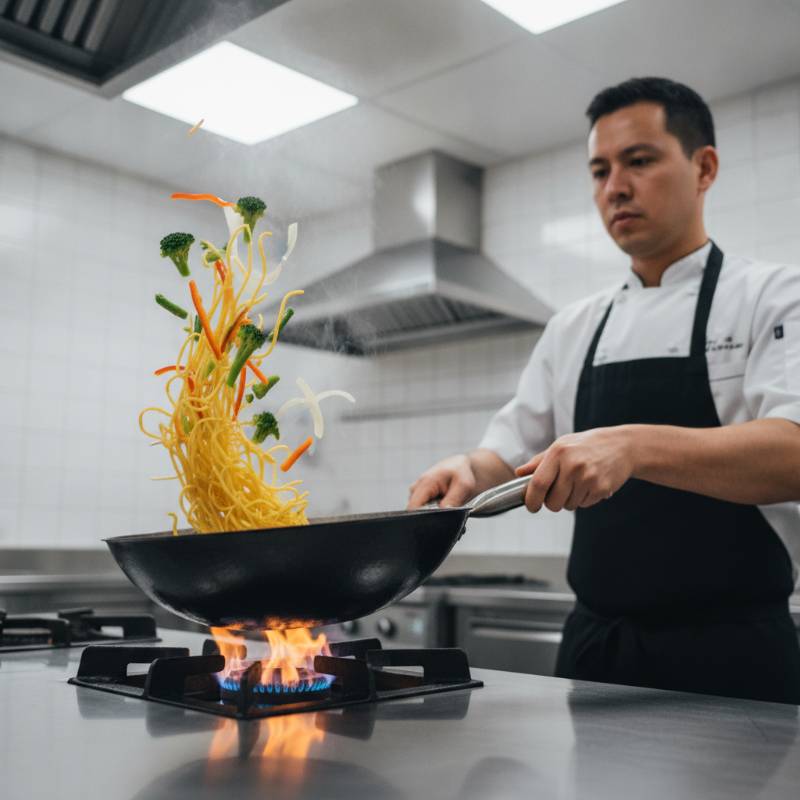
Context:“Stir frying noodles in a hot metal wok with a spatula…”
Cooking these noodles at home is easy and fun. For chow mein, you need a very hot pan. Fry the noodles with oil until they turn golden. Add cabbage, carrots, and soy sauce.
If you need a good pan for frying, you can find a great wok on Amazon. A wok helps spread the heat evenly. This is key for getting that perfect crispy texture.
For lo mein, boil your noodles first [1]. In a separate pan, stir fry your vegetables and meat. Turn off the heat, add the soft noodles, and pour your savory sauce over them. Toss well.
For rice noodles, place them in a bowl of warm water. Let them sit for ten minutes until soft. Then drain them. You can toss them into a soup or a quick stir fry.
Noodle Comparison Table
Change / Regenerate Image
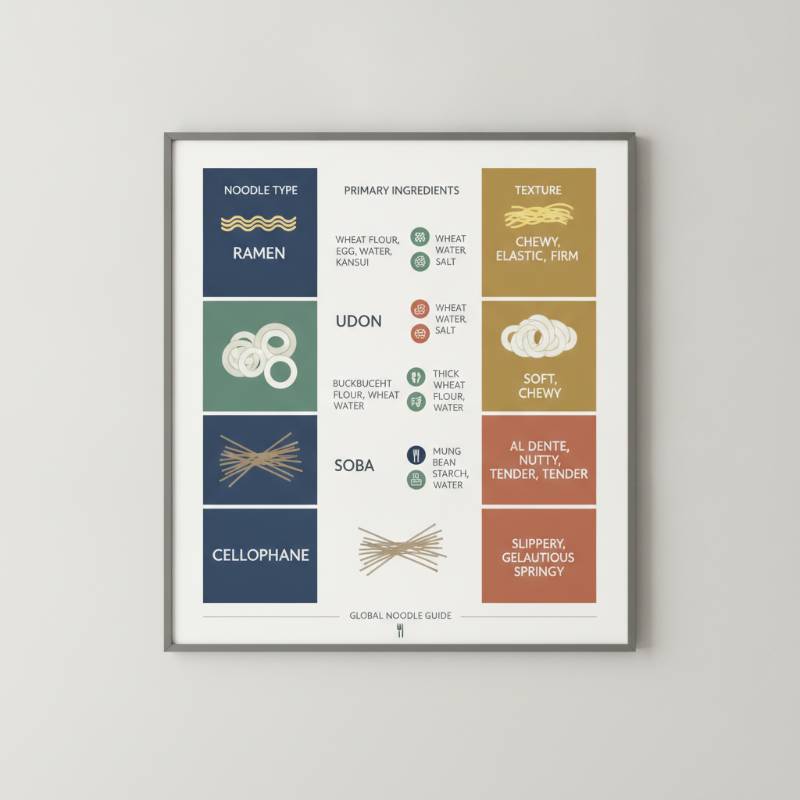
Context:“Organized chart comparing different types of Asian noodles…”
To help you choose, here is a simple guide. This table compares the ingredients, texture, and best uses for each noodle. It makes it easy to see which one fits your cooking needs.
| Noodle Type | Ingredients | Texture | Gluten-Free? | Best Cook Method |
|---|---|---|---|---|
| Chow Mein | Wheat, Egg, Water | Crispy & Thin | No | Stir-fried in oil |
| Lo Mein | Wheat, Egg, Water | Soft & Chewy | No | Boiled & Tossed |
| Rice Noodles | Rice Flour, Water | Light & Soft | Yes | Soaked or Boiled |
As you can see, each noodle has its own style. Wheat noodles are best for rich, heavy dishes. Rice noodles are perfect for light, clean meals. Choose the one that fits your diet.
Final Verdict: Which Noodle Is Best?
Change / Regenerate Image
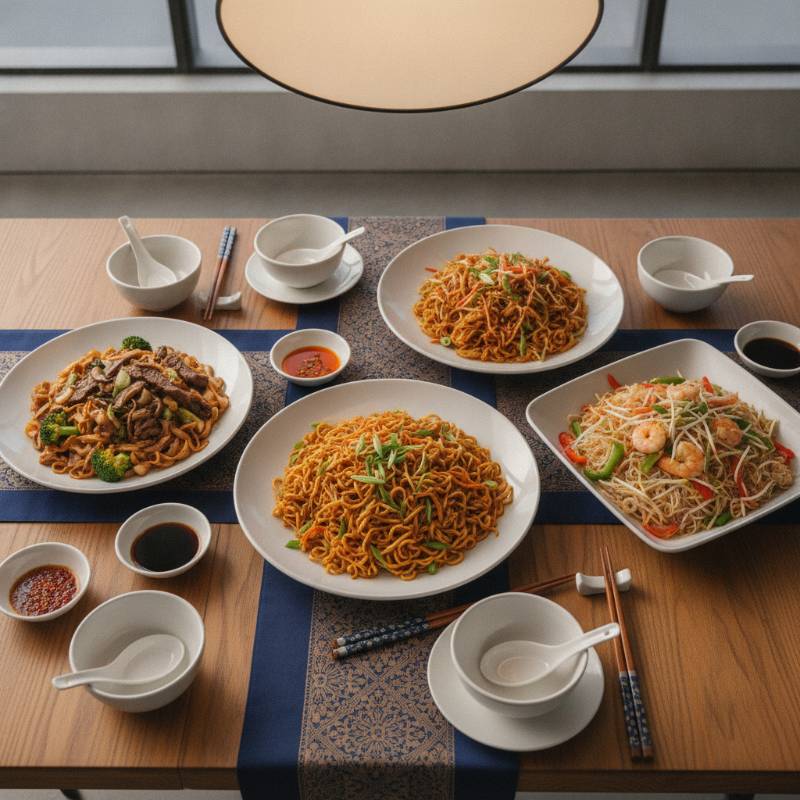
Context:“A colorful spread of various Asian noodle dishes on a table…”
There is no single best noodle for everyone. The right choice depends on your taste and health needs. If you want a classic, crispy stir fry, chow mein is the clear winner.
If you love thick, sauce coated comfort food, lo mein is the best option [1]. It is easy to cook and very filling. It is great for cold days when you want a warm meal.
If you need a gluten free meal, rice noodles are your only choice [6]. They are light, fast to cook, and very versatile. They work well in soups, salads, and quick stir fries.
I suggest trying all three in your kitchen. This will help you learn how they behave. You can buy quality dry noodles on Amazon to start cooking today.
Frequently Asked Questions
Are chow mein noodles gluten-free?
No, chow mein noodles are not gluten-free [6]. They are made from wheat flour, which contains gluten. If you need a gluten-free option, you should choose rice noodles instead [6].
Are lo mein noodles the same as rice noodles?
No, they are not the same [6]. Lo mein noodles are made of wheat and egg, so they are yellow and thick [1]. Rice noodles are made of rice flour and are white and light.
What is the difference between lo mein and mei fun?
Lo mein uses thick, chewy wheat noodles tossed in sauce [1]. Mei fun uses very thin rice vermicelli noodles. Mei fun is much lighter and cooks much faster than lo mein.
Which noodle has fewer calories, chow mein or lo mein?
Lo mein usually has fewer calories [1]. This is because lo mein is boiled and tossed. Chow mein is fried in oil, which adds more fat and calories to the dish [1].