50 High-Protein Foods for Muscle Gain, Weight Loss & Daily Health

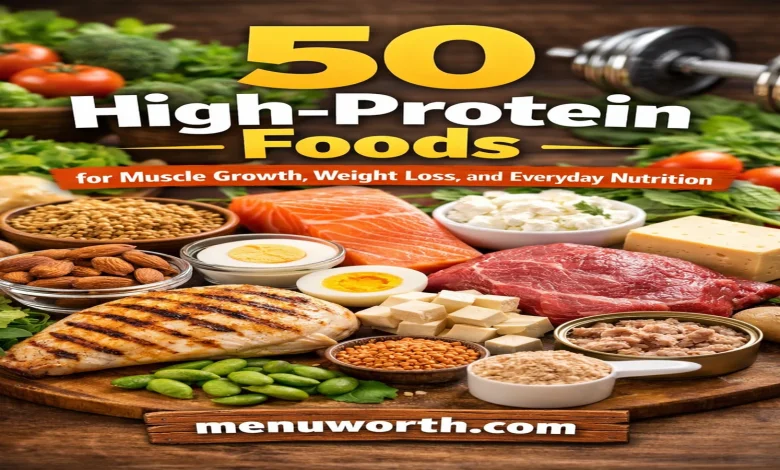
Protein is not just for bodybuilders. It matters if you want to build muscle, stay full longer, recover from workouts, maintain strength as you age, or simply eat more balanced meals. But the best high-protein foods are not always the ones with the biggest protein number alone. The smartest choices combine protein with a stronger overall nutrition profile: less saturated fat and sodium, more vitamins, minerals, fiber, and everyday usefulness. Current U.S. dietary guidance also emphasizes variety, including nutrient-dense protein foods from both animal and plant sources. (odphp.health.gov)
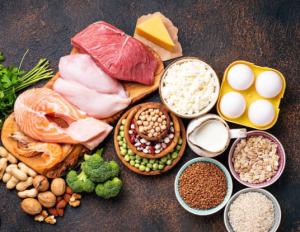
Why High-Protein Foods Matter
Protein supports muscle repair, recovery, and growth
Protein provides the amino acids your body uses to build and repair tissue. Harvard notes that adults need at least 0.8 grams of protein per kilogram of body weight per day as a minimum baseline. For people who exercise regularly, the International Society of Sports Nutrition states that about 1.4 to 2.0 g/kg/day is sufficient for most active individuals, and a practical meal target is around 20 to 40 grams of high-quality protein per meal, spaced across the day. (The Nutrition Source)
Protein may help with weight loss
Higher-protein eating patterns can improve fullness and increase diet-induced thermogenesis, which may help with appetite control and weight management. Reviews also suggest that protein generally supports satiety more than carbohydrate or fat, though long-term results still depend on total calorie intake and overall diet quality. (ScienceDirect)
The source of protein matters
Protein quality is about more than muscle. What matters is the full “protein package” that comes with it, including fat, fiber, sodium, vitamins, and minerals. The American Heart Association recommends choosing healthy proteins mostly from plants, regularly eating fish and seafood, using low-fat or fat-free dairy, and choosing lean, unprocessed meat or poultry if you eat them. (heart.org)
A Simple Way to Estimate Your Protein Target
General adult minimum
At the baseline recommendation of 0.8 g/kg/day, a 70 kg adult would need about 56 grams of protein per day. (The Nutrition Source)
Active adult target
Using the sports-nutrition range of 1.4 to 2.0 g/kg/day, a 70 kg active adult would generally aim for about 98 to 140 grams per day. (PubMed)
Advanced note for preserving lean mass while dieting
For resistance-trained people in a calorie deficit, the ISSN position stand notes that higher intakes around 2.3 to 3.1 g/kg/day may help preserve lean mass better. That is a performance-focused target, not a general requirement for everyone. (PubMed)
How This List Was Chosen
This is a practical ranking, not a laboratory-only ranking. The foods below were chosen because they are high in protein, easy to buy, useful in real meals, and effective for one or more of these goals: muscle growth, fat loss, and everyday nutrition. Protein values are approximate and can vary by brand, cut, and cooking method. USDA FoodData Central and the USDA nutrient tables are the best official references for checking exact values. (fdc.nal.usda.gov)
Top 50 High-Protein Foods
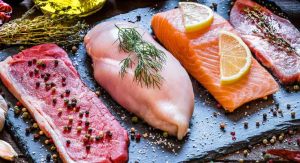
Lean Meat and Poultry High-Protein Foods
| # | Food | Typical Serving | Approx. Protein | Why It’s Useful |
|---|---|---|---|---|
| 1 | Chicken breast | 3 oz cooked (85 g) | 26 g | Lean, versatile, and easy to meal prep |
| 2 | Turkey breast | 3 oz cooked | 25 g | Very lean and easy to season |
| 3 | Lean ground turkey | 3 oz cooked | 23 g | Great for bowls, patties, and chili |
| 4 | Skinless chicken thigh | 3 oz cooked | 21 g | Juicier than breast while still protein-rich |
| 5 | Lean beef sirloin | 3 oz cooked | 25 g | High in protein, iron, and vitamin B12 |
| 6 | Top round beef | 3 oz cooked | 26 g | One of the leaner cuts of beef |
| 7 | Pork tenderloin | 3 oz cooked | 23 g | Lean, affordable, and easy to roast |
| 8 | Bison | 3 oz cooked | 25 g | Dense protein and often leaner than beef |
| 9 | Venison | 3 oz cooked | 26 g | Very lean game meat |
| 10 | Lamb loin | 3 oz cooked | 23 g | Strong flavor with solid protein |
Approximate protein values are based on USDA nutrient tables and FoodData Central. (nal.usda.gov)
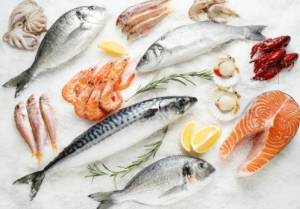
Fish and Seafood High-Protein Foods
| # | Food | Typical Serving | Approx. Protein | Why It’s Useful |
|---|---|---|---|---|
| 11 | Tuna | 3 oz cooked or canned, drained | 24 g | Very protein-dense and convenient |
| 12 | Salmon | 3 oz cooked | 23 g | Protein plus omega-3 fats |
| 13 | Sardines | 1 can (about 3.75 oz) | 22 g | Protein, omega-3s, and calcium |
| 14 | Shrimp | 3 oz cooked | 20 g | High protein for relatively few calories |
| 15 | Trout | 3 oz cooked | 20 g | A strong whole-food seafood option |
| 16 | Tilapia | 1 fillet | 23 g | Mild flavor and easy to cook |
| 17 | Cod | 3 oz cooked | 19 g | Lean white fish that feels light but filling |
| 18 | Mackerel | 3 oz cooked | 20 g | Fatty fish with protein and healthy fats |
Approximate protein values are based on USDA nutrient tables and FoodData Central. Fish and seafood also align with American Heart Association protein guidance. (nal.usda.gov)
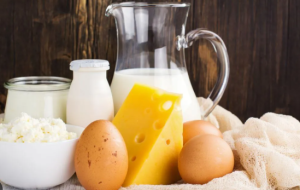
Eggs and Dairy High-Protein Foods
| # | Food | Typical Serving | Approx. Protein | Why It’s Useful |
|---|---|---|---|---|
| 19 | Whole eggs | 2 large eggs | 12 g | Convenient complete protein |
| 20 | Egg whites | 1/2 cup | 13 g | High protein with minimal fat |
| 21 | Greek yogurt, plain | 7 oz (200 g) | 18 g | High satiety and an easy breakfast base |
| 22 | Cottage cheese | 1 cup | 24 g | One of the easiest high-protein snacks |
| 23 | Skyr | 1 single cup | 15 g | Thick cultured dairy with strong protein |
| 24 | Milk | 1 cup (240 ml) | 8 g | Easy add-on to meals and shakes |
| 25 | Kefir | 1 cup | 9 g | Drinkable cultured dairy option |
| 26 | Ricotta | 1/2 cup | 14 g | Works in both sweet and savory dishes |
| 27 | Mozzarella, part-skim | 1 oz | 7 g | Easy topping or snack protein |
| 28 | Parmesan | 1 oz | 10 g | Small serving with concentrated protein |
Approximate protein values are based on USDA nutrient tables and FoodData Central. (nal.usda.gov)
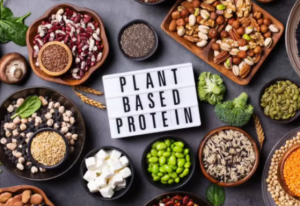
Plant-Based High-Protein Foods
| # | Food | Typical Serving | Approx. Protein | Why It’s Useful |
|---|---|---|---|---|
| 29 | Tofu, firm | 1/2 cup | 10 g | Versatile soy protein for many cuisines |
| 30 | Tempeh | 3 oz | 16 g | Dense, chewy, and very filling |
| 31 | Edamame | 1 cup | 18 g | One of the best whole-food plant proteins |
| 32 | Seitan | 3 oz | 21 g | Very protein-dense plant option |
| 33 | Lentils, cooked | 1 cup | 18 g | Protein, fiber, and iron |
| 34 | Chickpeas, cooked | 1 cup | 14 g | Great for hummus, salads, and bowls |
| 35 | Black beans, cooked | 1 cup | 15 g | Budget-friendly and fiber-rich |
| 36 | Kidney beans, cooked | 1 cup | 15 g | Excellent for chili and stews |
| 37 | Pinto beans, cooked | 1 cup | 15 g | Great for wraps, bowls, and mash |
| 38 | Split peas, cooked | 1 cup | 16 g | Excellent in soups and thick stews |
| 39 | Green peas | 1 cup | 8 g | Higher in protein than most vegetables |
| 40 | Soy milk | 1 cup | 7 g | Useful dairy alternative with protein |
| 41 | Quinoa, cooked | 1 cup | 8 g | More protein than many grains |
| 42 | Oats, cooked | 1 cup | 6 g | Filling breakfast base |
| 43 | Buckwheat, cooked | 1 cup | 6 g | A gluten-free grain alternative |
| 44 | Hemp seeds | 3 tbsp | 10 g | Easy protein boost for yogurt or oats |
| 45 | Pumpkin seeds | 1 oz | 8 g | Crunchy, portable, and nutrient-dense |
| 46 | Peanuts | 1 oz | 7 g | Budget-friendly snack protein |
| 47 | Almonds | 1 oz | 6 g | Good protein-and-fat combination |
| 48 | Pistachios | 1 oz | 6 g | Easy snack with natural portion control |
| 49 | Peanut butter | 2 tbsp | 7 g | Simple spread and snack add-on |
| 50 | Chia seeds | 2 tbsp | 5 g | Small protein boost plus fiber |
Approximate protein values are based on USDA nutrient tables and FoodData Central. Harvard notes that plant eaters can meet essential amino acid needs by eating a variety of protein-containing plant foods, with soy foods standing out as especially useful. (nal.usda.gov)
Best High-Protein Foods by Goal

Best high-protein foods for muscle growth
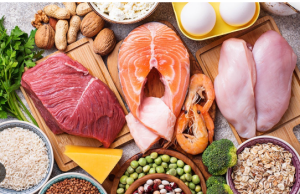
The best foods for muscle gain are the ones that help you reach 20 to 40 grams of protein per meal without adding too many extra calories. Top choices include chicken breast, turkey breast, lean beef, tuna, salmon, eggs, egg whites, Greek yogurt, cottage cheese, tempeh, tofu, and seitan. These foods make it easier to hit daily protein goals consistently. The bigger lesson is that consistency matters more than chasing a single “superfood.” (PubMed)
Best high-protein foods for weight loss
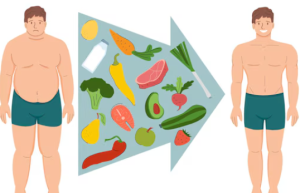
For fat loss, protein works best when paired with either low calorie density or high fiber. Strong choices include Greek yogurt, cottage cheese, eggs, shrimp, tuna, cod, lentils, split peas, edamame, and black beans. Some of these foods are very protein-dense for relatively few calories, while others combine protein with fiber, which improves fullness and makes meals more satisfying. (ScienceDirect)
Best high-protein foods for everyday nutrition
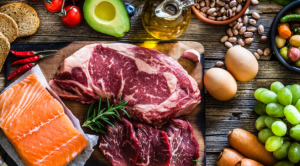
For long-term daily health, the strongest options are usually beans and lentils, soy foods, fish and seafood, low-fat dairy or fermented dairy, nuts and seeds, and moderate amounts of lean, unprocessed meat. That pattern closely matches heart-health guidance from the American Heart Association. (heart.org)
Animal vs. Plant Protein: Which Is Better?
| Protein Source | Main Strength | Main Limitation | Best Use Case |
|---|---|---|---|
| Lean poultry and fish | High protein density and easy to reach 25 to 35 g per meal | No fiber; some options can be expensive | Muscle-building meals |
| Eggs and dairy | Convenient, reliable breakfast or snack protein | Some products can be high in sodium or saturated fat | Quick meals and snacks |
| Legumes and soy foods | Protein plus fiber, very filling, and heart-smart | Larger serving sizes may be needed | Weight loss and everyday health |
| Nuts and seeds | Helpful add-on protein with healthy fats | Easy to overeat calories | Snacks and meal boosters |
The practical takeaway is simple: animal proteins are usually more protein-dense, while plant proteins often provide a better whole-meal nutrition package because they also bring fiber and unsaturated fats. Most balanced diets benefit from both, unless you intentionally follow a vegetarian or vegan eating pattern. (The Nutrition Source)
Pros and Cons of a High-Protein Diet
Pros
- Helps support muscle repair and growth
- Improves fullness and may make calorie control easier
- Can help preserve lean mass during weight loss
- Makes meals more satisfying when paired with fiber-rich foods
Cons
- Some high-protein foods also come with excess sodium or saturated fat
- Overreliance on bars, powders, or processed meats can lower diet quality
- People with chronic kidney disease may need individualized protein guidance
- Focusing only on protein can crowd out fiber-rich foods like fruits, vegetables, and whole grains
A high-protein diet works best when it is built around whole foods, not just protein grams. (The Nutrition Source)
A Simple High-Protein Day
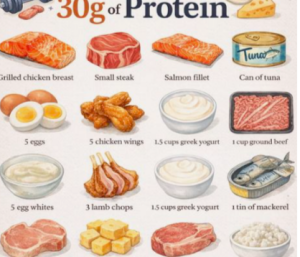
The 30-Gram Meal Mindset
Breakfast: Greek yogurt, 2 eggs, and berries
Lunch: Chicken breast with quinoa and vegetables
Snack: Cottage cheese or edamame
Dinner: Salmon with lentils and salad
This kind of structure makes it easier to hit a solid daily protein target without relying too heavily on bars, shakes, or oversized restaurant portions. Using the approximate values above, a day like this can land in the 110 to 130 gram range without being extreme. (PubMed)
Smart Ways to Eat More Protein Without Overeating
Use “anchor proteins”
Build each main meal around one meaningful protein source:
- Breakfast: Greek yogurt, eggs, skyr, or cottage cheese
- Lunch: Chicken, tuna, tofu, or lentils
- Dinner: Salmon, turkey, tempeh, or beans
Add “protein boosters”
These are not full meal anchors, but they improve meals quickly:
- milk in oats
- hemp seeds on yogurt
- pumpkin seeds on salads
- Parmesan on pasta or vegetables
- peanut butter with toast or fruit
Pair protein with fiber
Protein helps, but protein plus fiber usually works better for fullness. That is why meals such as salmon with vegetables, Greek yogurt with chia seeds, or lentils with quinoa are often easier to sustain than meals built around meat alone. (ScienceDirect)
Common Mistakes People Make With High-Protein Foods
1) Choosing protein by grams alone
A food can look high in protein but still come with too much sodium, saturated fat, or added ingredients. Protein grams matter, but the total nutrition profile matters too. (The Nutrition Source)
2) Ignoring plant proteins
Beans, lentils, soy foods, nuts, and seeds are not second-class options. They often bring fiber and unsaturated fats that support long-term health. (heart.org)
3) Eating almost all your protein at dinner
Sports-nutrition guidance favors spreading protein across the day instead of saving most of it for one meal. In practice, that means improving breakfast and snacks, not just dinner. (PubMed)
4) Relying too heavily on powders and bars
Most people can meet their protein needs with whole foods. Supplements can be convenient, but they are not required for good results. (PubMed)
Key Takeaways
- The best high-protein foods are not just high in protein. They should also fit your calorie needs, budget, and long-term health goals.
- Most adults need at least 0.8 g/kg/day, while active people often benefit from around 1.4 to 2.0 g/kg/day. (The Nutrition Source)
- For muscle growth, meals containing 20 to 40 grams of protein are a useful target. (PubMed)
- For weight loss, choose protein foods that are either lean or paired with fiber. (ScienceDirect)
- For everyday health, base your routine on legumes, soy foods, fish, nuts, seeds, dairy that fits your needs, and lean unprocessed meat if you eat it. (heart.org)
Frequently Asked Questions
1) Which food has the most protein per serving?
Among common whole foods, chicken breast, tuna, lean beef cuts, turkey breast, cottage cheese, and seitan are some of the most protein-dense practical options. Exact rankings change depending on serving size, water content, and preparation method. (nal.usda.gov)
2) Are eggs enough for building muscle?
Eggs are excellent, but muscle growth depends more on your total daily protein intake, resistance training, and consistent meal distribution than on any single food. Eggs work best as part of a broader protein plan. (PubMed)
3) Can high-protein foods help with weight loss?
Yes. Higher-protein diets can improve satiety and thermogenesis, which may make calorie control easier. But the best results usually come from combining protein with an overall balanced diet rather than following an extreme plan. (ScienceDirect)
4) What are the best vegetarian high-protein foods?
Top vegetarian choices include tempeh, tofu, edamame, lentils, split peas, chickpeas, black beans, Greek yogurt, cottage cheese, and skyr. Soy foods are especially useful because they provide high-quality plant protein. (The Nutrition Source)
5) How much protein should I eat per meal?
For many active adults, around 20 to 40 grams of high-quality protein per meal is a practical range, especially when spread across the day. (PubMed)
6) Are protein powders necessary?
No. Most physically active people can meet their needs through whole foods. Powders are a convenience tool, not a requirement. (PubMed)
7) Should everyone eat a high-protein diet?
Not necessarily. People with chronic kidney disease may need individualized guidance about protein intake, so they should talk with a doctor or registered dietitian before making major changes. (NIDDK)
Conclusion
The best high-protein diet is not built around one miracle food. It is built around a pattern. Use lean proteins when you want a strong protein boost, use legumes and soy foods when you want more fiber and long-term health value, use fish when you want protein plus heart-friendly fats, and use eggs or dairy when you need convenient everyday options. Follow that pattern, and this “top 50” list becomes more than a ranking. It becomes a practical meal-planning system for muscle growth, weight loss, and better daily nutrition. (heart.org)