
Healthy Fast Food Hacks: How to Eat Right at Every Drive-Thru, Make Smart Choices Anywhere

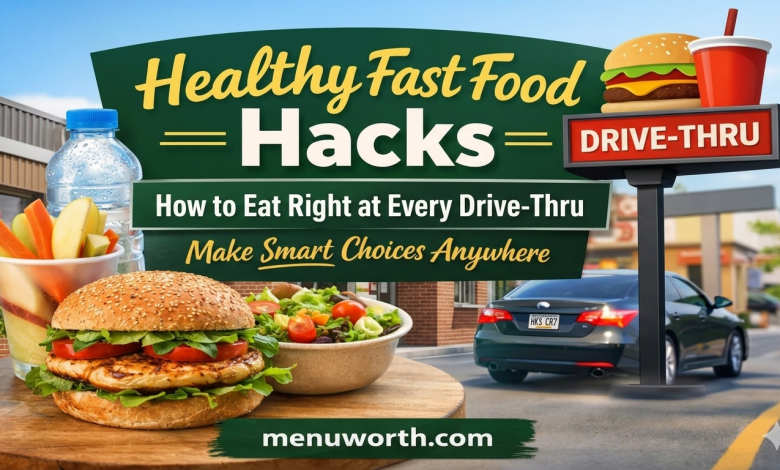
Fast food has an image problem — and it’s not entirely undeserved. But it’s not as though “fast food” must equal “junk.” The real problem lies in default ordering: huge portions, sugary drinks, salty sauces, and fried sides that creep in and turn a quick meal into a calorie-and-sodium blast.
The good news is that you can eat fast food and support fat loss, muscle gain, improved energy, and overall health—if you know what to prioritize.
Here’s the guide you need for a real-world system to order healthier fast food anywhere (yes, even at a basic drive-thru). This guide includes examples, comparisons, pros and cons, and a decision checklist you can reuse throughout your life.
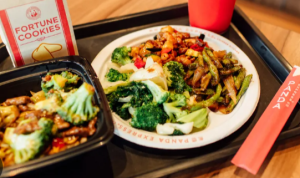
\The Importance of “Healthy Fast Food” Today
For many people, fast food isn’t an occasional treat—it’s routine.
- In the U.S., approximately 37% of adults ate fast food on a given day (NHANES 2013–2016). (CDC)
- One fast food meal can account for a significant part of your daily sodium allotment. In one study of fast-food diners, the average meal sodium content was approximately 1,292 milligrams—about half of a typical daily limit. (PMC)
- The World Health Organization (WHO) recommends sodium intake to be <2,000 mg/day. (WHO)
Fast food may be convenient, but it’s still a sodium-and-sugar trap in many cases. A salad can be a calorie bomb, while a burger can be just fine if you build it properly. “Healthy” is about the full nutritional picture, not just one label.
The Largest Hidden Dangers in Fast Food (and How You Can Overcome Them)
Problem #1 — Overdosing on Sodium
Fast food is engineered for craveability, and sodium is one of the primary levers. Meals that appear “clean” can still be extremely salty.
- Studies estimate that the average fast food meal contains about 1,751 mg of sodium, which is close to the daily upper limit for sodium intake. (ScienceDirect)
- WHO recommends sodium intake of <2,000 mg/day. (WHO)
Fast Fix (Works Anywhere):
- Request sauces/dressings on the side
- Choose grilled/roasted over breaded/fried items
- Avoid stacking “double cheese + bacon + creamy sauce”
- Opt for water/unsweetened tea instead of soda (also lowers sugar intake)
Problem #2 — “Health Halo” Salads
A salad can quickly become a calorie bomb when it includes:
- Fried protein
- Croutons
- Excess cheese
- Creamy dressing
- Sugary add-ins
Fast Fix:
- Choose grilled protein
- Order vinaigrette (half portion) or dressing on the side
- Include beans (adds fiber and protein)
Problem #3 — Liquid Calories and Sugar
Sugary drinks can take a meal from “OK” to “daily surplus.”
Fast Fix:
- Stick with water, sparkling water, unsweetened tea/coffee, or zero-sugar drinks (if you prefer)
Problem #4 — Portion Size Creep
Saying “large combo default” can sabotage even the healthiest fast food options.
Fast Fix:
- Opt for a single entrée + one smart side
- Or order the combo, but swap sides and go smaller
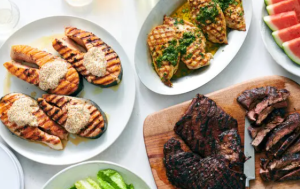
The “Build-a-Meal” Framework: How to Order Healthy Fast Food Anywhere
Use this 4-step method. It works at burger joints, sandwich shops, burrito places, convenience stores—anywhere.
Step 1 — Protein First (Target: 25–40g)
Protein is your anchor. Meals that have enough protein help you feel full longer and reduce snacking.
Good Fast-Food Protein Picks:
- Grilled chicken
- Lean beef patty (single)
- Turkey
- Eggs
- Tuna/salmon (watch sauces)
- Tofu/tempeh (if available)
- Beans and chicken (burrito bowl style)
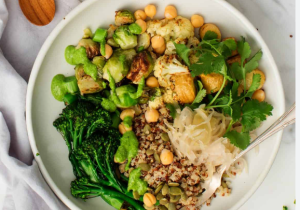
Step 2 — Include Fiber (6–10g/Meal If Possible)
Fast food is typically fiber-poor. Fiber promotes fullness and contributes to better gut health.
Fast Fiber Upgrades:
- Load up on extra veggies (lettuce, tomato, onions, peppers)
- Choose beans/lentils
- Opt for whole grains (brown rice, whole wheat) if available
- Choose fruit as a side when offered
Step 3 — Be Intentional with Carbs and Fats
Carbs aren’t inherently “bad,” but refined and oversized carbs are where things go awry.
Smarter Carb Options:
- Small fries → Best: side salad, fruit, yogurt, soup, beans
- White bun/tortilla → Best: whole grain, lettuce wrap, or a bowl
Smarter Fat Options:
- Avocado, olive-oil-based dressings, nuts (with portion control)
- Choose one high-fat extra at a time (cheese + mayo + creamy sauce + fried side)
Step 4 — Monitor Sodium and Sauces
Sugars and salts often lurk in sauces.
Sauce Rules That Work:
- On the side
- Use half
- Choose mustard/salsa/vinegar-based choices more frequently than creamy sauces
Healthy Fast Food Choices by Category (Pros/Cons)
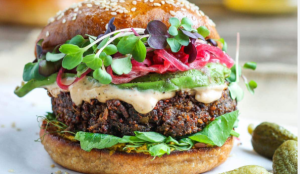
1) Improved Burger Orders (For Real)
What to Order:
- Single patty burger
- Extra veggies
- Skip or reduce cheese/mayo
- Side salad or apple/fruit (if available)
Pros:
- Easy protein
- Satisfying
- Simple swaps make a big difference
Cons:
- Sodium can still be high
- Fries + soda combo is the danger zone
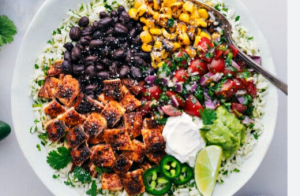
2) Burrito/Bowl Shops (Probably the Lowest-Hanging Fruit)
Best Build:
- Bowl (or burrito with fewer toppings)
- Chicken/steak/beans
- Fajita veggies
- Salsa
- Small portion of cheese or guac (choose one)
Pros:
- Fiber is achievable (beans + veggies)
- High protein without frying
Cons:
- Tortillas, chips, cheese, and sour cream add up calories quickly
- Sodium can be elevated in several components
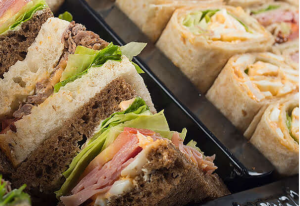
3) Sandwich & Wrap Chains
Best Build:
- Whole grain bread (if available)
- Turkey/chicken/tuna (light on mayo)
- Load with veggies
- Use mustard/vinegar
- Avoid “triple meat + creamy sauces + cheese + bacon” combinations
Pros:
- Customizable
- Easy to add veggies
Cons:
- Processed meats often contain high sodium
- “Footlong effect” (portion creep)
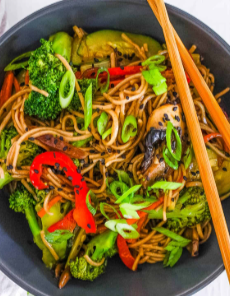
4) Asian-style Fast Food (Teriyaki, Stir-fry, Noodle Bowls)
Best Build:
- Grilled chicken/fish/tofu
- Veg-heavy stir-fry
- No rice (or steamed veggies instead)
Pros:
- Lots of vegetable potential
- Satisfying flavors
Cons:
- Sauces can be high in sodium and/or sugar (teriyaki, sweet glazes)
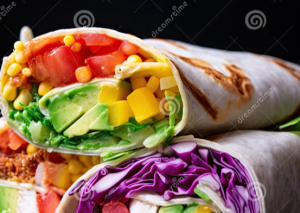
5) Breakfast Fast Food
Best Build:
- Egg-based sandwich or wrap
- Add veggies where possible
- Opt for smaller portions and avoid sugary coffee drinks
Pros:
- Eggs provide solid protein
- Easy to avoid fries
Cons:
- Biscuits/croissants + cheese + sausage can pile on saturated fat and sodium
Quick Comparison Table: “Typical Order” vs. “Smarter Order”
| Category | Common Default Order | Smarter “Healthy Fast Food” Upgrade | Why It Works |
|---|---|---|---|
| Burger | Double burger + large fries + soda | Single burger + side salad/fruit + water | Cuts calories/sugar; keeps protein |
| Chicken | Fried sandwich + fries | Grilled sandwich/wrap + veggies; sauce on side | Less saturated fat, often fewer calories |
| Burrito | Burrito + chips + queso | Protein bowl + beans + veggies + salsa | More fiber; avoids extra fried sides |
| Sandwich | Footlong + creamy sauce | 6-inch/regular + extra veggies + mustard | Portion control; reduces sodium/sugar |
| Breakfast | Pastry + sweet latte | Egg sandwich + black coffee/unsweetened | Less sugar; better protein |
The 3-Second Checklist for “Healthy Fast Food” (Text Form)
Before you pay, ask:
- Where’s the protein?
- Aim: palm-sized portion
- Where’s the fiber?
- One or more of: veggies, beans, fruit, whole grains
- What’s the sodium trap?
- Sauce? Cheese stack? Processed meat?
- Fix: “On the side” + choose one rich add-on, not three
- What’s the drink?
- Water/unsweetened = easiest win
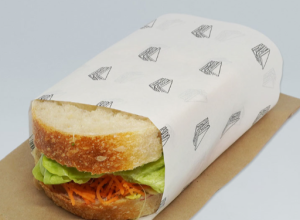
Real-Life Examples: Healthy Fast-Food Orders That Seem “Normal”
Example #1 — Busy Office Lunch
- Grilled chicken sandwich
- Extra lettuce/tomato/onion
- Sauce on the side
- Side salad or fruit
- Water
Example #2 — Post-Exercise Hunger
- Burrito bowl: double chicken (or chicken + beans)
- Brown rice (half portion)
- Fajita veggies
- Salsa + lettuce
- Optional: small guac
Example #3 — Traveling/Gas Station Meal
- Greek yogurt or milk
- Nuts (small pack)
- Banana/apple
- Jerky or a ready-to-drink protein option
- Water
The Real Deal with Healthy Fast Food: Pros and Cons
Pros:
- Familiarity: Similar options tend to be available pretty much everywhere
- Time-saving: You can plan even on busy days
- On-demand portion control: As long as you don’t choose combo defaults
- Access to protein: Most fast-food meals provide a hefty dose of protein (which aids with satiety)
Cons:
- Sodium remains the most difficult variable (even “healthy” options can be salt-heavy)
- Ultra-processed ingredients: Most items remain highly processed
- Marketing hype: “Fresh,” “light,” or “fit” doesn’t equal better macros
- Cost creep: “Healthy add-ons” can get expensive
Key Takeaways (Save This)
- Healthy fast food is not a restaurant; it’s a strategy.
- Focus on protein first, then fiber, then sauces and portion size.
- Your greatest victories will likely be:
- Substitute the drink → water/unsweetened
- Swap fried for grilled
- Ask for sauce on the side
- Add fiber → beans/veg/fruit
- Sodium compounds quickly; WHO recommends <2,000 mg/day.
Healthy Fast Food FAQ (Common 5-7 Questions)
1) What is the healthiest fast food place?
The healthiest option generally involves lean protein + veggies and little to no sugary sauces. Burrito bowls, grilled sandwiches, and customizable salads with grilled protein and dressing on the side tend to be the most straightforward choices.
2) Are fast food restaurant salads always healthy?
No. Fried toppings, excess cheese, and heavy dressings can make salads calorie- and sodium-dense. Opt for grilled protein and ask for dressing on the side.
3) What should I order at fast food if I’m trying to lose weight?
Prioritize protein and fiber, keep extras simple, and skip liquid calories.
- Grilled entrée
- Extra veggies
- Skip large fries
- Water/unsweetened drink
Portion control is more important than finding the “perfect” item.
4) What is the biggest nutrition risk in fast food?
For most people, it’s sodium (and sugary drinks). A single meal can knock a big chunk out of your daily sodium allowance.
5) How can I lower sodium at a fast-food restaurant?
- Ask for sauces/dressings on the side
- Avoid “extra cheese + bacon + creamy sauce” combos
- Choose grilled items
- Pair with water
If nutrition info is provided, compare items in the same category—sodium can vary widely.
6) Is it fine to eat fast food every day?
Sort of, but it takes some structure. Rotate options, prioritize whole-food sides (fruit/veg), monitor sodium, and don’t drink sugar every day. If fast food is your reality every day, make your “default order” a healthier one.
7) What’s a good fast food meal for high protein?
For high-protein, typically choose grilled chicken, lean beef, eggs, or bowls with beans. Many fast food meals are high in protein, but also be careful about sodium and add extra fiber when possible.
Conclusion: You Don’t Need Perfect—You Need a Repeatable Ordering System
Healthy fast food is less about trying to find a mythical “clean” menu and more about knowing a few decisions you can make over and over, anywhere.
Protein first, fiber second, sauces and portion control, and water instead of sugary drinks. Do this consistently, and fast food stops being a setback and becomes just another tool for busy days.
Let me know your goals (fat loss, muscle gain, heart health) and fast-food preferences, and I’ll create a tailored set of 10 default orders for you.


