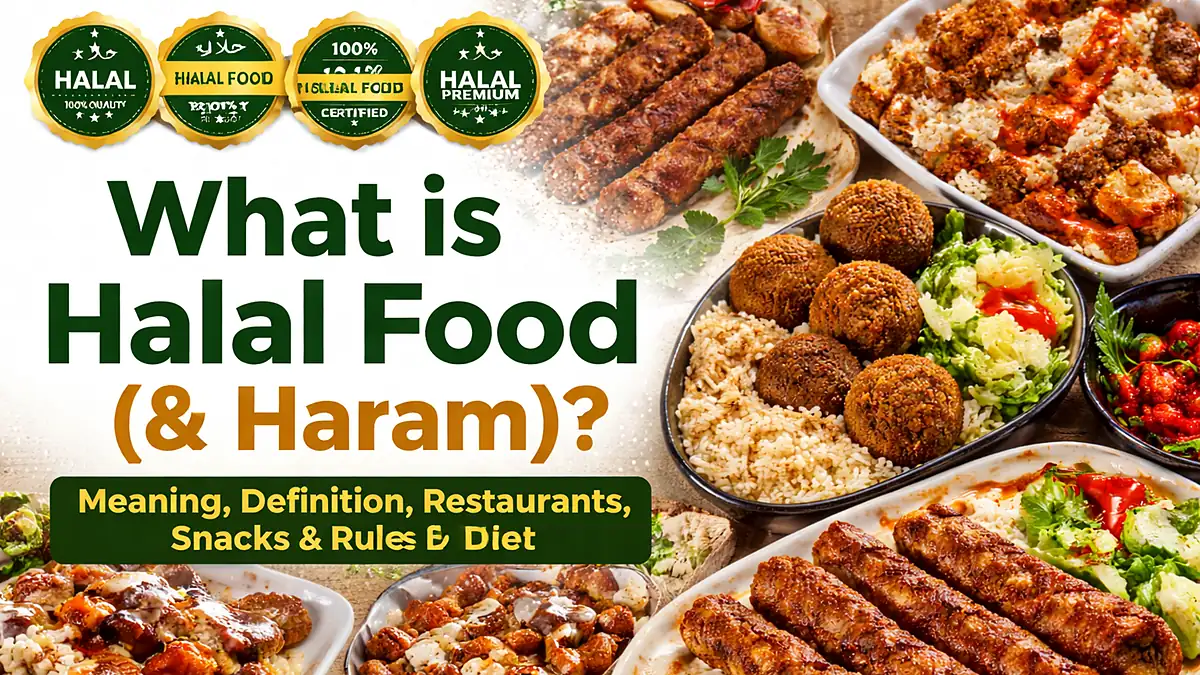
Until recently, it was not aware of halal food outside the United States, Europe, and Asia, including in Islamic countries. With the growing Muslim population, awareness of what is halal also grows — among Muslims and non-Muslims alike who are seeking ethical, health-conscious, clean food.
Accordingly, today we will cover everything under the umbrella of HALAL food: what is that? What are those halal rules? Pros and cons of halal, availability of halal food worldwide,
What is Halal Food? A Complete Definition
In principle, Halal food is food that follows the requirements of Islamic dietary law (Shariah). This affects not only what we eat, but also how it is prepared and processed, and even how it’s handled. Halal is more than a strict and uncompromising approach to sustenance; it’s a holistic framework for ethical sourcing, hygiene, and animal welfare.
Halal food, by contrast, is that which is not haram — forbidden. Islam’s haram rules make Muslims eat only halal.
 Halal Food Essential Criteria
 Halal Food Essential Criteria
There are several criteria that food must meet to be considered halal:
- Prohibited: Pork, including pork by-products, and alcohol. Halal foods exclude these items.
- The seven prohibitions are: Halal Slaughter. Everything has to be slaughtered humanely in the name of Allah (God). It minimizes suffering and protects life.
- No cross-contamination: Halal food should never be cooked in the same vessel or served with haram foods.
- Ethical Values: Halal emphasizes animal welfare, as animals are not slaughtered linearly; the head of cattle is aligned in a queue and then beheaded by a beacon.
Fact: The halal food market alone is expected, by 2026, to grow two-and-a-half times and be valued at $2.6 trillion — while mainstream American consumers of halal foods consume them more frequently than the (non-Muslim) Muslim community bristles at the suggestion of eschewing alcohol in a monthlong fast.
What Is the Difference Between Halal and Haram?
| Aspect | Halal | Haram |
|---|---|---|
| Meaning | Permissible, allowed | Forbidden, prohibited |
| Meat Source | Chicken, beef, lamb, properly slaughtered | Pork, improperly slaughtered animals |
| Drinks | Water, juice, milk | Alcohol, intoxicants |
| Processing | Hygienic, ethical | Contaminated, unethical |
| Certification | Halal-certified | Non-certified |
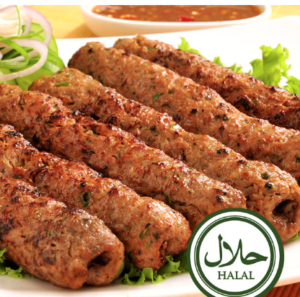
Examples of Haram Foods
- Pork and pork by-products
- Alcoholic beverages
- Carnivorous animals (e.g., lion, tiger)
- Foods contaminated with haram ingredients
Halal foods, by contrast, are chosen, prepared, and examined in accordance with the stipulations of Islamic law.
Halal Diet Rules Explained
Halal is so much more than a list of foods we can or cannot eat. This is not just a diet but a lifestyle intended to promote ethical, hygienic, and healthy eating.
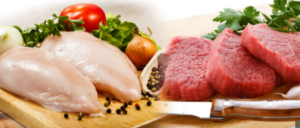
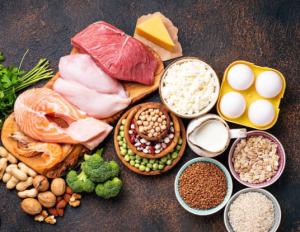
Meat and Protein Sources
- Meat: Chicken, beef, lamb, and goat must be halal and slaughtered in accordance with halal laws.
- Fish, seafood: Sea animals are generally halal except for shellfish, which some scholars deem haram.
- Packaged Foods: Beware of gelatin sourced from non-halal animals and alcohol-derived substances. Always check certification labels.
Beverage Guidelines
- Not the ones that could have intoxicating agents in them.
- Only juices, soft drinks, tea & coffee, and milk are Halal, provided they are free of contamination.
Preparation & Hygiene
- If stored in the same utensil, halal and haram food will cross-contaminate.
- Allegedly, halal certification is meant to help restaurants and factories meet cleanliness standards.

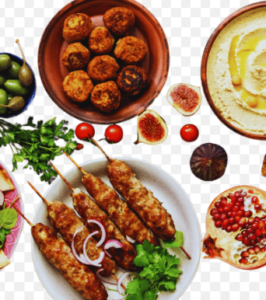
Benefits of Following a Halal Food System
Halal food is also beneficial outside of religious compliance. They are moral, dietary, and sanitary benefits:
- Halal also specifies that animals be slaughtered in a clean environment. You minimize the risk of contamination.
- Ethical and sustainable: Animals are humanely treated.
- No kasher dam: This is the time of no wine and swine.
- Eating clean, hygienic food makes them aware of conscious preparation.
Expert insight: “Halal food encourages eating clean and being aware of what you put in your body to nourish not only the physical but also the mental. It’s not just a diet, it’s a lifestyle founded on health and ethics.”
What Halal Certification Is And How Does It Work?
Halal Certification establishes trust between consumers and food providers.
Certification Process
- Inspection of facilities
- Verification of ingredients
- Ensuring proper slaughtering methods
- Periodic audits to maintain compliance
Recognized Halal Certification Bodies
- IFANCA – USA
- Sample 1: HFA (Halal Food Authority) – United Kingdom
- JAKIM – Malaysia
Pro Tip: Always look for a halal logo on the product’s outer packaging before you purchase.

Halal Restaurants
Halal restaurants ensure that all food served is halal, so buyers can be at ease.
Popular Halal Cuisine Types
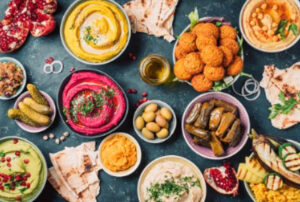
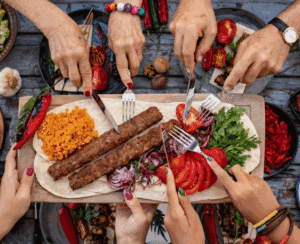
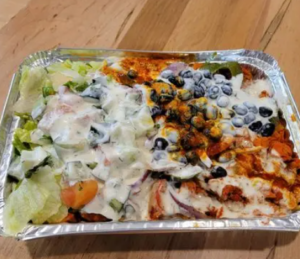
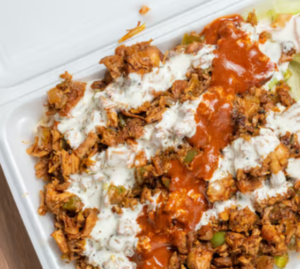
- Middle Eastern: Shawarma, kebabs, hummus
- South Asian: Biryani, tandoori, curries
- Fast food of the West: burger, wraps, fried chicken, halal
Searching for Halal Restaurants
- Apps & Websites: Zabihah, HalalTrip
- Local Search: Google Maps “halal near me.”
- ตรวจสอบใบรับรอง – หาผลิตภัณฑ์ที่มีสัญลักษณ์ฮาลาลในร้าน
Halal restaurants — eateries that serve halal, the Arabic word for meat slaughtered according to Islamic law — are plentiful in large American cities like New York, Chicago, Los Angeles, and Houston to accommodate these communities.

Halal Snacks
Halal snacks remain hot on the world’s snacking list. Halal snacks are easy, ethical replacements for full meals.
Common Halal Snack Options
- Non-alcoholic flavored crisps and crackers
- Halal-certified chocolate and candies
- Nut-mix (nuts, dried fruits/trail mix)
- Halal jerky and protein bars
Benefits of Halal Snacks
- Religious and ethical requirement compliant: Conscience-friendly
- Green: Inherently hygienic (or sustainably sourced)
- Where you can get it: In supermarkets and online stores around the world
Role of Halal Food Globally
Halal is not limited to Islamic countries. It is increasingly global:
- USA: Meat Markets and Groceries thrive with halal
- Europe: Halal sections in supermarkets, as well as fast food assortments
- Asia: Malaysia and Indonesia have strict halal standards
Halal food serves as a bridge between communities, breaking down barriers and encouraging cultural integration; non-Muslims are increasingly consuming halal products for reasons of cleanliness, ethics, and quality.
The Halal Lifestyle
Halal is not just about food; it’s about responsible, conscious consumption.
- Always Read Labels: Check Halal certification before purchase.
- Apps or Guides: Zabihah and HalalTrip
- Food Handling: Halal foods can be cross-contaminated if different utensils are used or if they are kept separate from non-halal foods.
- Get Educated: Know your ingredients, know where they’re coming from, and how to use them in the kitchen.
Benefits and Harms of Halal Food Diet
Pros | Cons
Ethical animal treatment | Limited availability in some areas
Lower risk for alcohol-related illnesses | More expensive certified products
Promotes clean eating | May require more preparation time
Spiritual satisfaction & conscious eating | Risk of mislabeling without certification
Halal eating is an ethics-based dietary choice that overlaps with health and spirituality. Still, it poses challenges in terms of access and cost.
FAQ Section
Simple Definition of Halal
“Halal,” meaning “permissible” in Arabic, is used to describe food and drink as well as lifestyle choices that are accepted under Islamic law.
Can Muslims eat seafood?
Seafood is mostly halal, but some scholars have rendered certain shellfish haram.
How can we verify whether our shop’s food is halal?
Look for Islamic Food and Nutrition Council Africa (IFANCA), HFA, or JAKIM Logos.
Is halal food healthier than normal food?
The halal diet ensures much more in terms of hygiene, humane sourcing, and safe slaughtering methods, making it easier to eat clean.
What’s the difference between halal and kosher?
Halal is defined by Islamic law; kosher by Jewish law. Rules about slaughter, forbidden food, and certification vary.
Are vegetarian foods automatically halal?
Many are, though check for alcohol, gelatin, or other animal by-products.
Can non-Muslims eat halal food?
Yes, halal food is ethical, hygienic, and healthier than non-certified food.
Conclusion
Halal is not just a diet, but a lifestyle, an ethical compass, and a global phenomenon. Knowledge about halal and haram, and the rules governing them, helps practice healthy, ethical eating behavior.
Key Takeaways
- It is referred to as food being halal (Arabic: حلال ) & haram (Arabic: حرام ).
- Must be properly slaughtered, must not contain any prohibited organs.
- Certification and hygiene ensure trustworthiness.
- Halal Eating: Halal — an experience made wholesome by Islamic Guidelines.
This ensures that you live a halal and aware life.