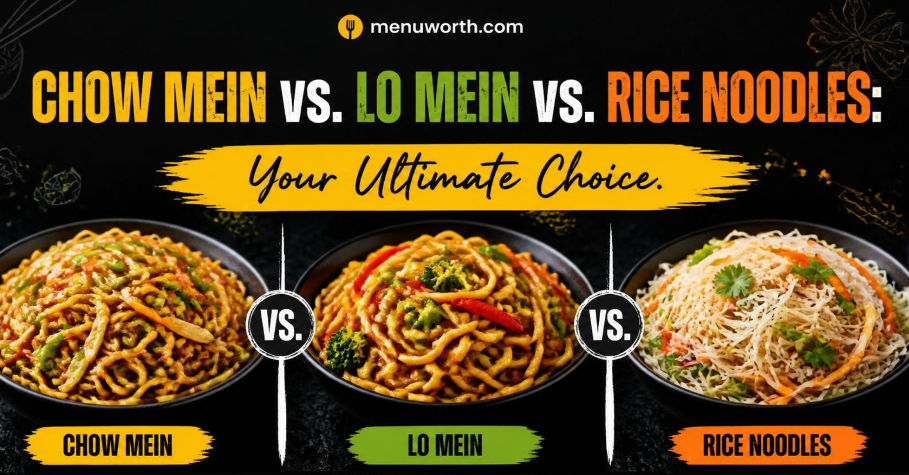
I love cooking noodles at home. Choosing the right noodle can change your entire meal. Today, we will look at three popular options. We will compare their taste, nutrition, and best uses.
You might want a quick soup or a fast stir-fry. Each noodle has a unique texture. Some are light and gluten-free. Others are thick and chewy. Let us find out which one fits your kitchen best.
Noodles are a basic food in many cultures. They bring comfort to our dinner tables. Knowing the differences helps you cook better. It also helps you make healthier choices for your family.
We will explore rice noodles, ramen, and lo mein. Each has a rich history. They also have different cooking methods. Let us look closely at what makes each of them so special.
Understanding Rice Noodles

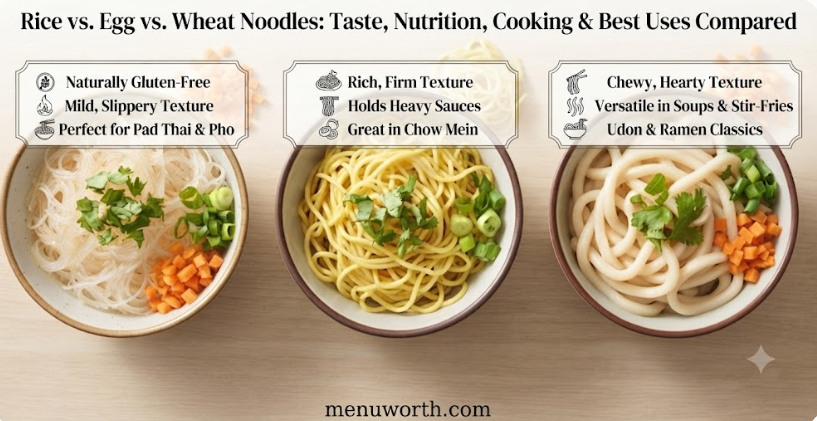
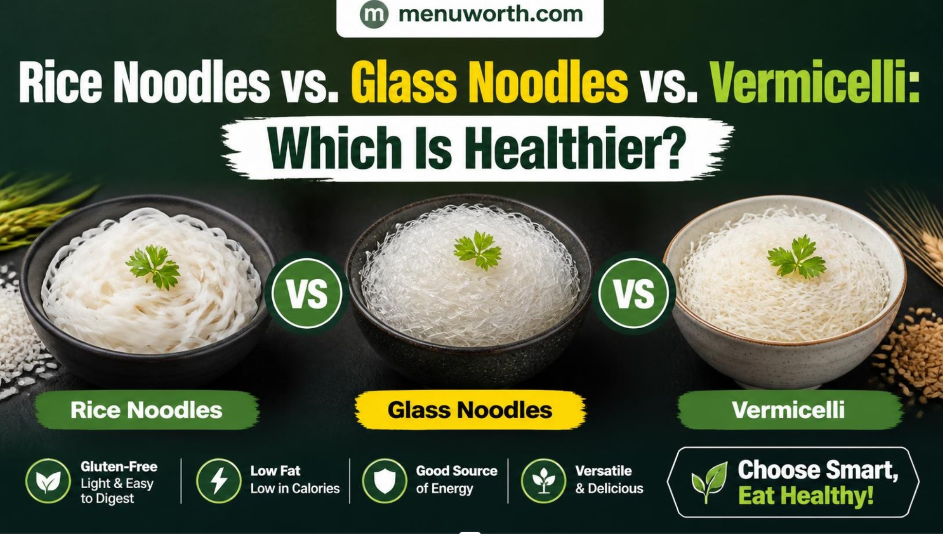
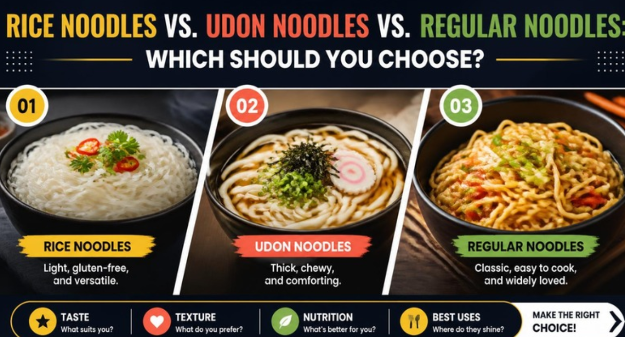
Rice noodles consist of rice starch and water. They are very common in Asian dishes. You can find them in thin shapes like vermicelli. You can also find them in flat, wide shapes for Pad Thai.
These noodles have a neutral taste. They absorb the flavors of your sauces and soups. They are naturally gluten-free. This makes them a great choice if you want to avoid wheat in your daily diet.
You do not need to boil some rice noodles. You can just soak them in hot water. This makes them very fast to prepare. They are perfect for busy weeknights when you need a quick meal.
Their texture is soft but slightly chewy. They feel light in your stomach. You can eat them cold in salads. You can also toss them into hot broths or quick stir-fry dishes.
Many people love rice noodles in Vietnamese pho. The thin noodles float in warm, spiced broth. They absorb the beef or chicken flavors beautifully. They offer a clean taste with every single bite.
You can buy them dry at any local grocery store. They keep well in your pantry for a long time. They are cheap and easy to store. This makes them a great basic kitchen item.
The Magic of Ramen Noodles

Ramen is a classic Japanese noodle soup [1]. Authentic ramen uses wheat flour, water, salt, and kansui. Kansui is an alkaline mineral water. It gives ramen its yellow color and springy, chewy texture [1].
You might wonder: is ramen healthy? Fresh ramen has decent protein but can be high in sodium. Instant ramen noodles are different. What is the difference between ramen and instant noodles? Instant versions are deep-fried and dried.
Real ramen shines in rich broths. You can enjoy it in a thick tonkotsu broth. You can also try shoyu ramen or miso ramen. Add classic ramen toppings like a soft boiled egg to make it complete.
The alkaline water in ramen makes the noodles strong. They do not get soft too quickly in hot soup. This unique chew is what makes a bowl of ramen so satisfying to eat.
You can find fresh ramen in the refrigerated section. These taste much better than dried instant packs. They have a springy bite that feels like a real restaurant meal in your own home.
Many chefs spend years perfecting their ramen recipe. The broth takes hours to simmer. The noodles must be cooked to the perfect texture. It is a true art form in Japanese cooking.
Instant ramen noodles are a fast option for students. They cook in just three minutes. But they do not have the same depth as fresh noodles. They also contain more preservatives.
You can still enjoy instant versions sometimes. Just make sure to add fresh ingredients to them. This makes the cheap meal taste much better. It also adds some good nutrients to your bowl.
All About Lo Mein Noodles

Lo mein noodles are thick wheat noodles from China [3]. They contain egg, which gives them a yellow tint [3]. These noodles are soft and dense. They are perfect for tossing in heavy, savory sauces.
Unlike ramen, lo mein noodles do not use alkaline water. They have a milder, more wheat-like flavor. They hold up well in a hot wok. They absorb thick sauces without getting soggy or breaking apart.
The word lo mein means stirred noodles [3]. You cook them first by boiling [3]. Then you toss them with vegetables and meat at the very end. The sauce coats each thick noodle completely.
These noodles are very popular in Chinese takeout food. They have a comforting, heavy feel. They are great for filling you up. Kids love them because they are easy to eat and sweet.
You can find them fresh or dried. Fresh egg noodles have the best texture. They cook in just a few minutes. They stay plump and chewy when you toss them with soy sauce.
If you cannot find lo mein, you can use spaghetti. The texture will be different. But spaghetti is a good wheat-based swap. It still holds sauce well for a quick home meal.
Rice Noodles, Ramen, or Lo Mein: Nutrition Compared

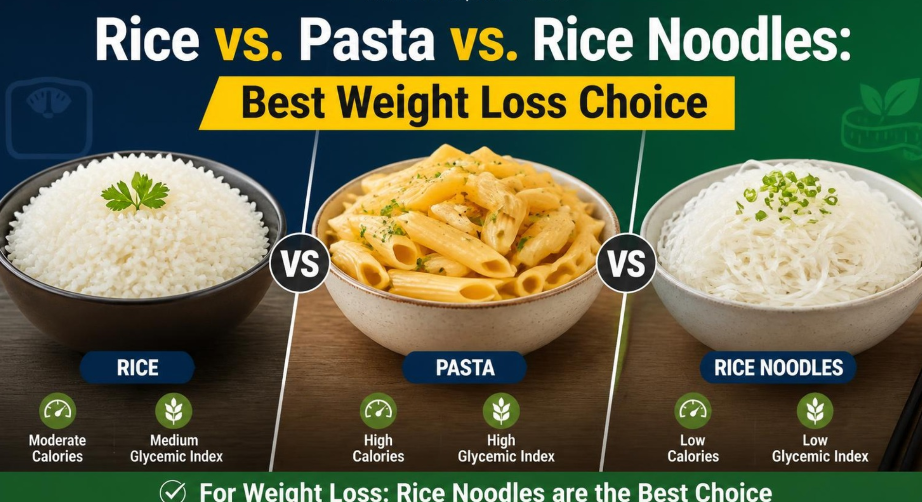
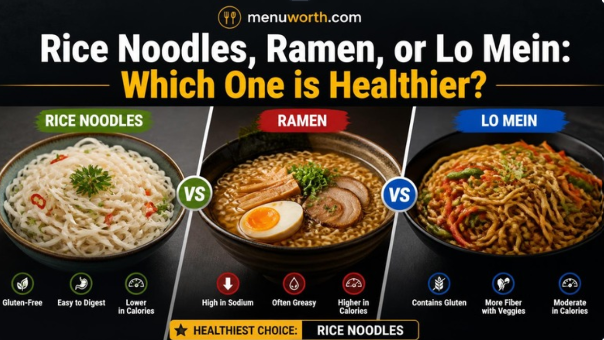
Let us compare the nutrition of these noodles. Rice noodles are the lightest choice [4]. They are low in fat and contain no gluten [4]. However, they have less protein than wheat-based noodles [4].
Ramen and lo mein noodles have more protein because of the wheat and egg. But they also have more calories. If you watch your salt, be careful with ramen. The broth often has high sodium levels.
| Noodle Type (100g Cooked) | Calories | Carbs | Protein | Fat | Gluten-Free? |
|---|---|---|---|---|---|
| Rice Noodles | ~109 kcal [4] | ~25g [4] | ~1g [4] | ~0.2g [4] | Yes |
| Ramen (Fresh) | ~140 kcal | ~26g | ~5g | ~1.2g | No |
| Lo Mein | ~150 kcal | ~28g | ~5.5g | ~1.5g | No |
This table shows that rice noodles are great for a light diet. If you need more protein, choose ramen or lo mein. Always check the labels if you have a gluten allergy.
Egg noodles like lo mein offer some iron. Ramen noodles can give you quick energy from carbs. Rice noodles are very easy to digest. Each noodle serves a different health need.
If you want to lose weight, watch your portion sizes. Noodles can be high in carbs. Adding plenty of vegetables to your bowl helps. It fills you up without adding too many calories.
You should also think about the sauces you use. Heavy peanut sauces or salty broths add extra calories. Light soy sauce or clear vegetable broths keep your noodle meals much healthier.
Best Cooking Uses and Hacks
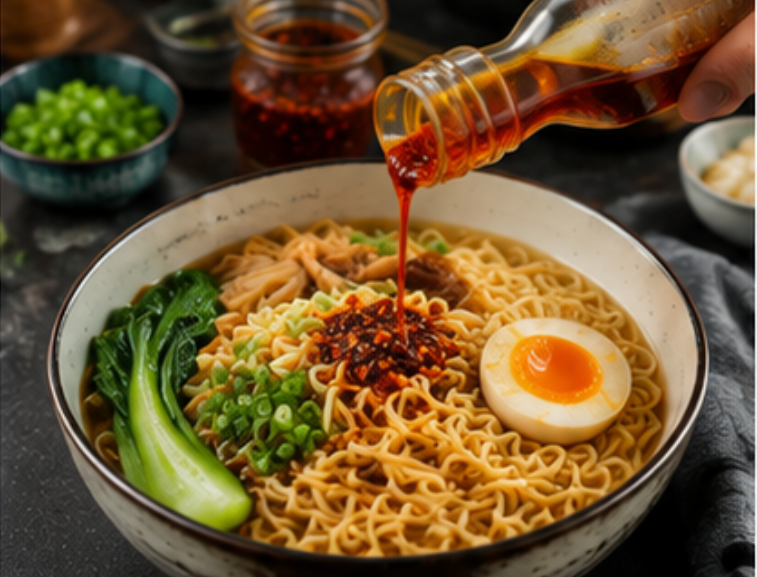
Rice noodles work best in light soups and stir-fries. They cook fast in warm water. Ramen is the king of noodle soups. But why does takeout ramen taste worse than dine-in?
Takeout ramen gets soggy quickly. The noodles absorb too much hot broth during delivery. For the best taste, keep the soup and noodles separate until you eat. Or cook fresh noodles at home.
How do you make instant ramen taste better? You can add a splash of chili oil. Toss in some fresh greens. You can also make a quick sesame garlic ramen with simple pantry items.
If your soup is too salty, do not worry. To know how to reduce saltiness in ramen broth, just add a little unsalted water. You can also add a squeeze of fresh lime juice.
I love to buy quality noodles online. You can find excellent options on AMAZON to start cooking. Having the right noodles in your pantry makes dinner easy and fun.
To cook rice noodles perfectly, do not leave them in hot water. They can turn into mush quickly. Drain them as soon as they are soft. Rinse them with cold water to stop the cooking.
For lo mein, make sure your wok is very hot. Cook your meat and vegetables first. Add the cooked noodles last. Toss them quickly with your sauce so they do not stick to the pan.
You can make a simple sauce for lo mein at home. Mix soy sauce, sesame oil, and a little sugar. This tastes much fresher than store-bought sauces. It also has less sodium.
When making ramen broth, simmer it slowly. You can use chicken or pork bones. Add ginger and garlic for extra flavor. This creates a deep taste that instant packs cannot match.
Add fun toppings to your ramen bowl. A soft boiled egg is classic. You can also add seaweed, corn, or sliced pork. These toppings make your home bowl feel like a restaurant treat.
Which Noodle Should You Choose?
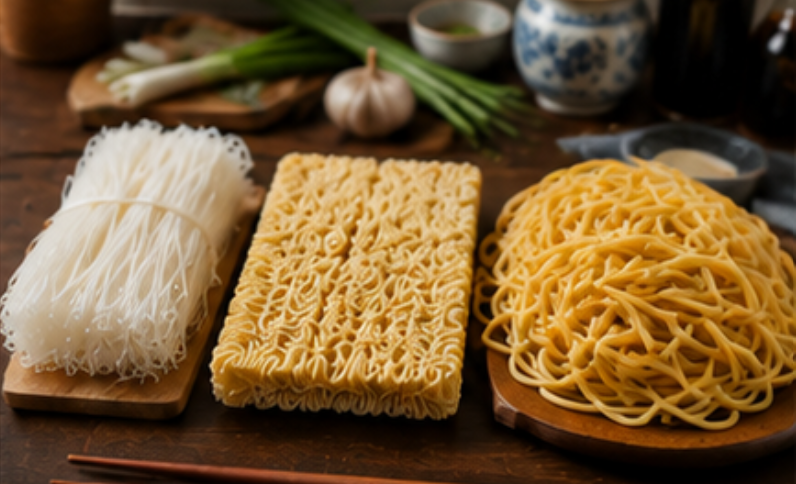
Your choice between rice noodles, ramen, or lo mein depends on your meal. Choose rice noodles for a light, gluten-free stir-fry. They are gentle on the stomach and very quick to cook.
Pick ramen when you want a deep, comforting bowl of soup. The chewy texture holds up well in hot broth. It is perfect for cold days when you need a warm, hearty meal.
Choose lo mein for thick, saucy stir-fries. These egg noodles grab onto rich sauces. They give you a satisfying bite every time. You can find great noodle packs on AMAZON.
Think about your health goals too. If you need to avoid gluten, rice noodles are your only choice. If you want more protein, go for the wheat options like ramen or lo mein.
No matter what you choose, cooking noodles at home is fun. You can control the ingredients. You can make each dish healthy and delicious. Happy cooking to you and your family!

Frequently Asked Questions
Are rice noodles healthier than ramen?
Yes, rice noodles are usually healthier than ramen [4]. They have less fat and fewer calories [4]. They are also gluten-free [4]. Ramen noodles often contain more sodium and fat, especially the instant kind.
Can I use ramen instead of lo mein?
Yes, you can use ramen instead of lo mein. Both are wheat-based noodles. However, ramen is thinner and more springy. Lo mein is thicker and softer. The texture of your dish will change slightly.
How do I cook rice noodles so they do not stick?
Do not boil rice noodles for too long. Soak them in warm water instead. Once they are soft, rinse them with cold water. This removes extra starch and stops them from sticking together.
What makes lo mein noodles yellow?
Egg yolks give lo mein noodles their yellow color [3]. Some brands use food coloring instead of real eggs [3]. Check the ingredient list if you want authentic egg noodles for your stir-fry dishes.