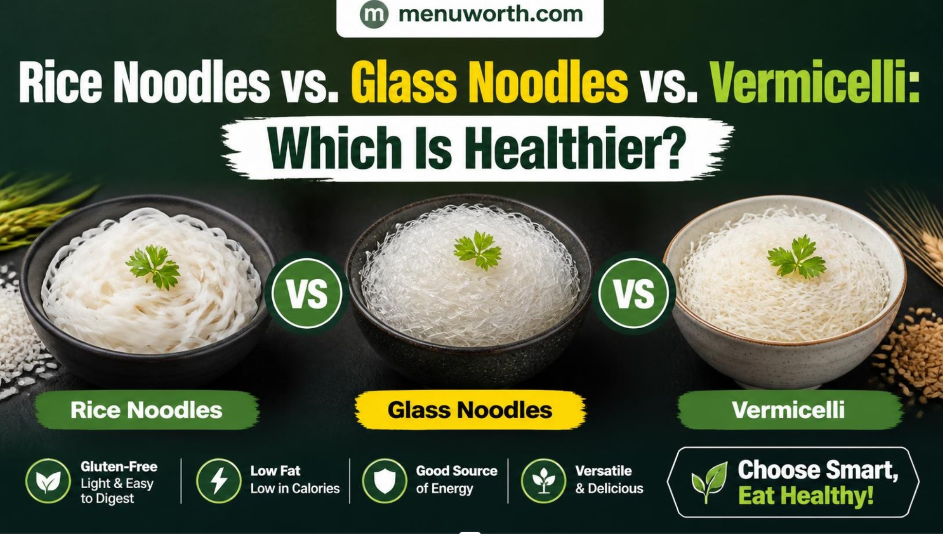
I love cooking Asian dishes at home. You might stand in the noodle aisle and feel lost. Rice noodles, glass noodles, and vermicelli look alike. But they affect your body in very different ways. I will help you choose the best option today. We will look at calories, carbs, and blood sugar impacts. This guide will make your next grocery trip simple and healthy. Let us find your perfect match. Many people think all white noodles are the same. This is a big mistake that can hurt your diet goals. Each type has a unique starch source. These starches change how your body burns energy.
Understanding the Three Noodle Types

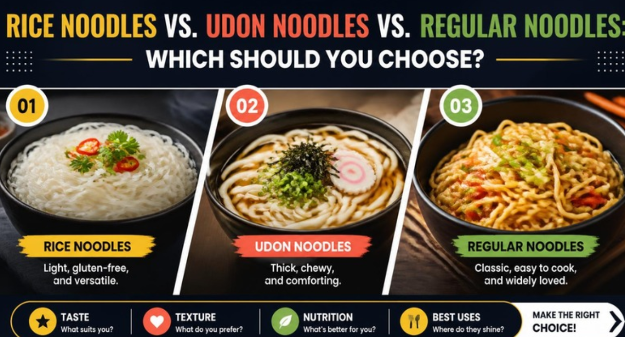
Let us start with rice noodles. Chefs make them from rice flour and water. They are flat and white. They stay white after you cook them. You often see them in a hot bowl of Pho. Next are glass noodles. People also call them cellophane noodles. They are made from plant starches like mung bean or sweet potato. They turn clear when cooked. They have a very chewy texture. Now we have vermicelli. This name can cause some confusion. In Western cooking, it means thin wheat pasta. In Asian cooking, it usually means thin rice noodles. We will focus on the Asian rice version.
What Is the Difference Between Vermicelli and Glass Noodles?

Many home cooks ask about this difference. The main contrast is the base ingredient. Rice vermicelli uses ground rice. Glass noodles use pure mung bean starch. These starches change how they look and cook. Cooked rice vermicelli stays white and soft. It is very delicate. Cooked glass noodles become totally clear. They are very springy. They do not break easily when you toss them in a hot pan. You can buy both types on AMAZON to test them at home. They feel very different in your mouth. Rice vermicelli feels light. Glass noodles feel heavy. Your choice will depend on your favorite recipe.
Are Glass Noodles Healthier Than Rice Noodles?

This is the core question for many health lovers. To find the answer, we must look at the starch. Glass noodles contain a lot of resistant starch. This type of starch behaves like fiber. Your body digests resistant starch very slowly. It does not turn into glucose quickly. Rice noodles do not have much resistant starch. Your body breaks them down fast. This can lead to quick energy. Because of this, glass noodles are often the healthier choice. They keep you full for a longer time. They also help keep your energy levels steady. Rice noodles are good but digest much faster.
Glycemic Index of Glass Noodles vs. Rice Noodles

Let us look at the glycemic index numbers. This index measures how fast a food raises blood sugar. Mung bean glass noodles have a low score of about twenty-six. This is a very low score. Do rice noodles spike blood sugar? They can if you eat too many. Rice noodles have a medium glycemic index of about sixty-one. This means they raise your blood sugar much faster than glass noodles. If you have diabetes, glass noodles are a safer option. They prevent sudden spikes in your blood sugar. Rice noodles are still okay to eat. But you should watch your portion sizes with them.
Calories in Glass Noodles vs. Rice Noodles

Let us talk about calories now. One cup of cooked glass noodles has about one hundred and sixty calories. This is a light option. It works well if you want to cut down on energy. In contrast, one cup of cooked rice noodles has about one hundred and ninety calories. The difference is not huge. But those extra thirty calories can add up over time if you eat them often. Sweet potato glass noodles have slightly more calories. They have about one hundred and seventy calories per cup. They are still a great option. They offer a rich taste and a very satisfying chew.
Are Glass Noodles Good for Weight Loss?

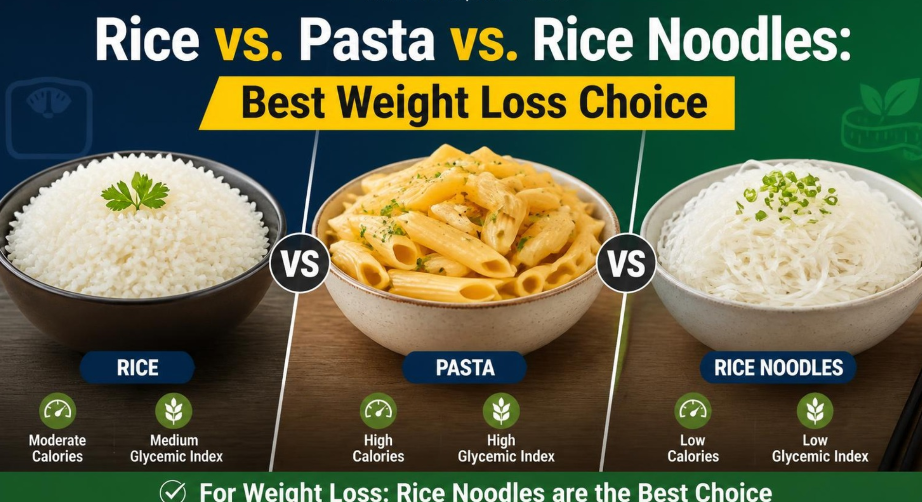
Yes, glass noodles are great for weight loss. They are fat-free and low in calories. They also expand a lot when you cook them. This means a small serving looks very large on your plate. This trick helps your brain feel happy. You feel like you are eating a huge meal. But you are consuming fewer calories. The resistant starch also keeps your hunger away for many hours. You must still watch what you add to them. Heavy oils and sweet sauces can ruin your diet. I like to toss them with fresh herbs and lean chicken. This keeps the meal low in fat.
Gluten-Free Asian Noodles and Allergen Info

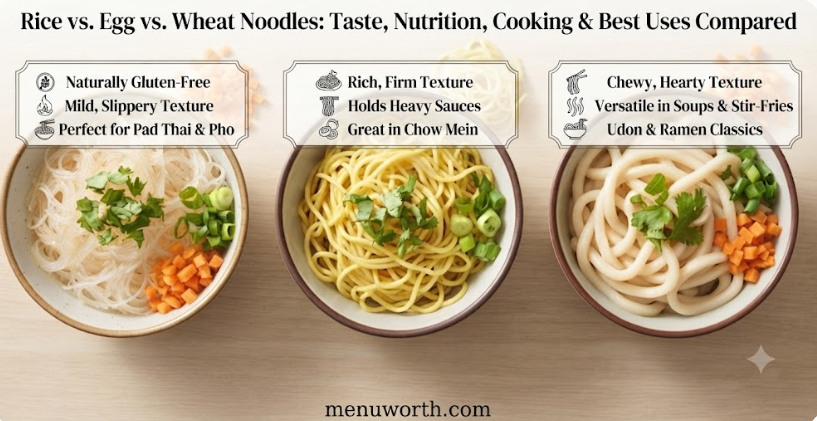
Both rice noodles and glass noodles are naturally gluten-free. This is fantastic news for people with celiac disease. You do not have to worry about wheat gluten. They are safe for sensitive stomachs. But you must read labels carefully. Some brands make their noodles in factories that handle wheat. This can cause cross-contamination. Look for a certified gluten-free label on the package to stay safe. You can find many safe brands on AMAZON today. Mung bean starch noodles nutrition is very simple and clean. Most brands only use starch and water. They have no extra chemicals.
Low Carb Noodle Alternatives

Are you on a strict low-carb diet? If so, both rice and glass noodles might have too many carbs. One cup of cooked glass noodles has about thirty-nine grams of carbs. This is high. Cooked rice noodles have about forty-two grams of carbs. If you eat keto, these will kick you out of ketosis. You should look for other low carb noodle alternatives instead of these types. Shirataki noodles are a great keto option. They have almost zero carbs. Kelp noodles are another fantastic choice. They are made from seaweed and water. They are very low in calories and carbs.
Nutritional Comparison Table

Let us compare these noodles side by side. This table shows the nutritional value of rice vermicelli, glass noodles, and standard rice noodles. All values are for one cup of cooked noodles.
| Noodle Type | Calories | Carbs (g) | Fiber (g) | Glycemic Index | Primary Starch |
|---|---|---|---|---|---|
| Glass Noodles | 160 | 39.3 | 0.9 | 26 – 39 (Low) | Mung Bean Starch |
| Rice Vermicelli | 190 | 42.2 | 1.8 | 58 (Medium) | Rice Flour |
| Rice Noodles | 190 | 42.2 | 1.8 | 61 – 65 (Medium) | Rice Flour |
As you can see, glass noodles have fewer calories. They also have a much lower glycemic index. Rice noodles and rice vermicelli are very similar. They share the same base ingredients and nutritional values.
How to Cook Each Noodle for Best Health

How you cook your noodles matters a lot. Cooking them too long makes the starch digest faster. This raises the glycemic index. It is best to cook them al dente, or slightly firm. To cook rice vermicelli, you only need hot water. Soak them in boiling water for three minutes. Then rinse them with cold water. This stops the cooking process and keeps them from getting mushy. For glass noodles, boil them for five to seven minutes. They will turn clear and chewy. Rinse them in cold water right away. This keeps them slippery and prevents them from sticking together.
Which Is Healthier: Rice Noodles or Vermicelli?
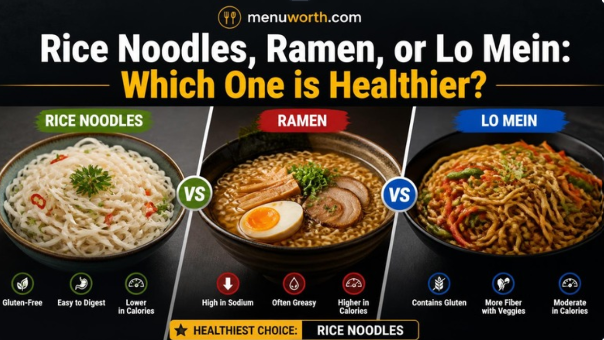
When we compare rice noodles to rice vermicelli, they are almost the same. Both are made from rice flour. They have the same calories and carbs. Neither is truly healthier than the other. But the thickness can change how you eat them. Thin rice vermicelli is easy to overeat. You can pack a lot of thin noodles into one small cup. Flat rice noodles feel more filling. You should choose based on your meal. Rice vermicelli is great for cold summer salads. Flat rice noodles are perfect for hot soups. Both are great gluten-free options for your kitchen.
Pros and Cons of Rice, Glass, and Vermicelli Noodles
Let us look at the pros and cons of each noodle. This will help you decide which one to buy. Each type has its own strengths and weaknesses for your daily diet. Rice noodles are very easy to cook. They taste light and soft. But they can spike your blood sugar quickly. They also have slightly more calories than the other options. Glass noodles have a very low glycemic index. They keep you full for a long time. But they can be hard to chew for some people. They also take longer to boil. Rice vermicelli is very thin and cooks in minutes. It is perfect for fast meals. But it is very easy to overeat. It also has the same medium glycemic index as flat rice noodles.
The Healthiest Noodle Verdict
So, which noodle is the healthiest overall? Glass noodles made from mung beans are the clear winner. They have the lowest glycemic index. They also have the fewest calories per cooked cup. But do not avoid rice noodles completely. They are still a great gluten-free option. Just pair them with plenty of protein and fiber. This will help prevent any sudden blood sugar spikes. I hope this guide helps you cook healthier meals. Try different noodle types in your kitchen. See how they make you feel. Your body will thank you for making the smart choice.
Frequently Asked Questions
Are glass noodles healthier than rice noodles?
Yes, glass noodles are generally healthier. They have a much lower glycemic index than rice noodles. They also contain fewer calories per cup and have more resistant starch.
What is the difference between vermicelli and glass noodles?
Rice vermicelli is made from rice flour and stays white when cooked. Glass noodles are made from plant starches and turn completely clear. They are much chewier than vermicelli.
Are glass noodles good for weight loss?
Yes, they are great for weight loss. They are low in calories and fat-free. Their high resistant starch content helps you feel full and satisfied for a longer time.
Do rice noodles spike blood sugar?
Yes, rice noodles can spike blood sugar. They have a medium glycemic index of sixty-one. To prevent these spikes, always eat them with lean protein, healthy fats, and plenty of fiber.